
CREDAI Launches Phase II Reforestation Drive, Felicitates RPL-Certified Workers
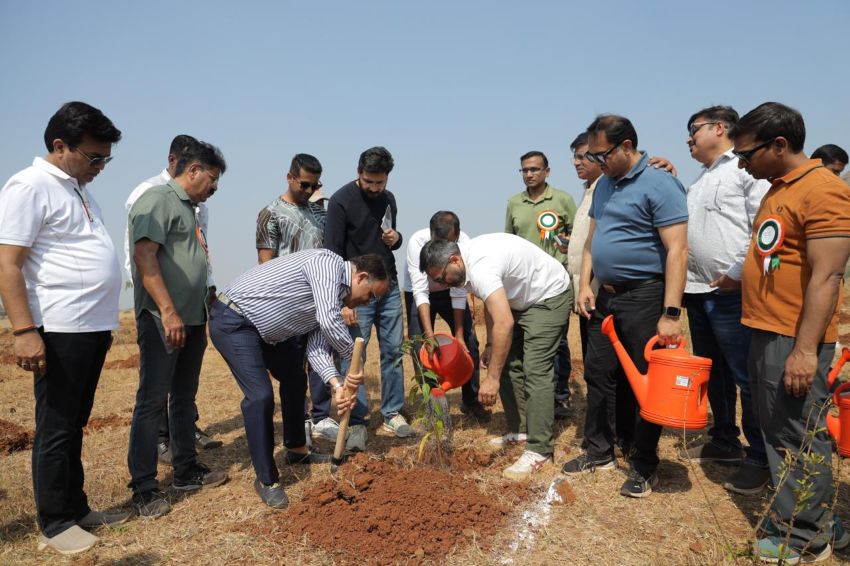
New Delhi, February 09, 2026: The Confederation of Real Estate Developers’ Associations of India (CREDAI) has initiated the second phase of its large-scale ecological reforestation programme across degraded stretches of the Western Ghats, beginning with the restoration of 700 acres of land. Alongside the environmental initiative, the organisation also felicitated construction workers who have completed its Recognition of Prior Learning (RPL) certification programme, formally acknowledging their skills and contribution to the construction sector.
The reforestation initiative, launched in 2025, targets the plantation of nearly two million saplings across around 9,000 acres of degraded forest land in 25 villages in Maharashtra, starting from Nashik district. Implemented in collaboration with the Raah Foundation and district authorities, the programme aligns with the Government of Maharashtra’s regreening priorities through Memorandums of Understanding signed with the District Collector, Nashik. CREDAI Nashik plays a key role in community coordination and on-ground execution, working with the national team to track progress and outcomes.
To date, more than 3,500 acres have been restored using native-species plantations, supported by soil preparation, trenching, mulching, moisture conservation, and water-harvesting measures. Plantation density averages about 200 saplings per acre, with multi-year survival monitoring, third-party audits, and community participation in protection and stewardship. The initiative aims to support long-term ecological regeneration, groundwater recharge, improved soil health, and livelihood opportunities for local communities.
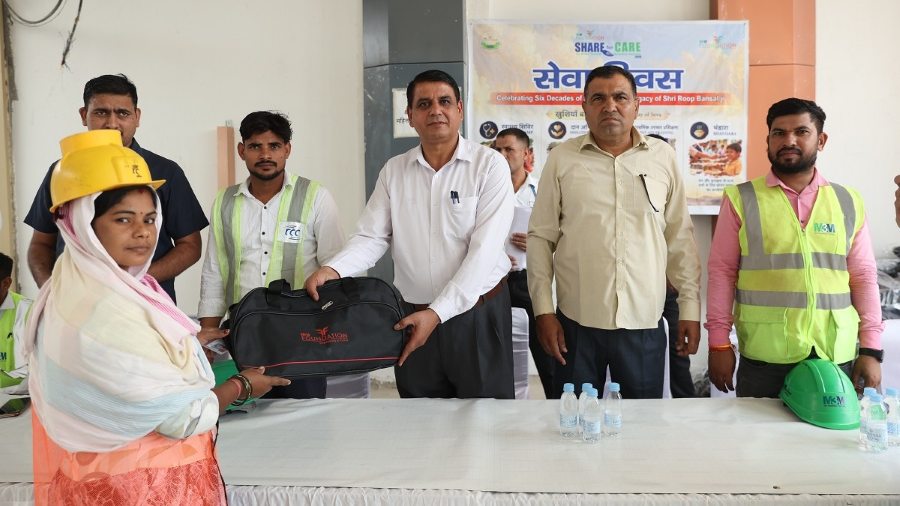
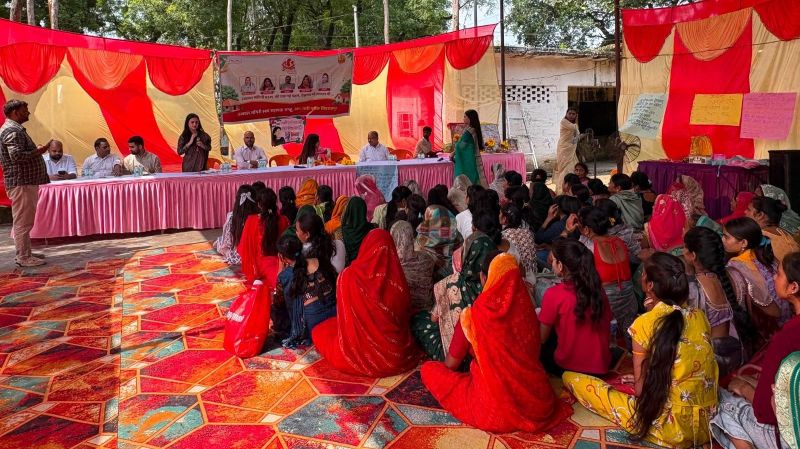
In parallel, CREDAI honoured construction workers certified under its RPL programme. The initiative validates informal on-site experience through National Skills Qualifications Framework (NSQF)-aligned certification delivered by Construction Skill Development Council of India (CSDCI)-certified trainers. The 10-day “learn-while-you-earn” model combines one hour of daily classroom learning with seven hours of supervised on-site training, avoiding wage loss or disruption to ongoing work. Certifications currently cover masonry, shuttering carpentry, and bar bending and steel fixing, with CREDAI planning to scale the programme to certify 50,000 workers nationwide in the coming years.
CREDAI is also investing in long-term talent development through its Junior Engineering Programme, which equips young civil engineers with practical site experience and technical skills. In addition, leadership development initiatives are being undertaken in partnership with academic institutions, including the Real Estate Development Leadership (RED-L) Programme with IIM Ahmedabad and the Business Leadership Programme (BLP) with IIM Bangalore, aimed at strengthening governance, strategic capability, and leadership within the real estate sector.
Shekhar Patel, President, CREDAI, said, “As urbanisation and real estate growth accelerate, industry bodies bear a profound responsibility to invest in long-term environmental outcomes. The Western Ghats, sustaining millions through its biodiversity and water resources, has faced decades of degradation, making large-scale restoration an urgent imperative. Launching the second phase of our flagship reforestation drive, we are advancing science-led native-species revival, community stewardship, and rigorous monitoring to regenerate biodiversity, recharge groundwater, restore soil health, strengthen climate resilience, and create enduring livelihoods for local communities.
“This reflects CREDAI’s commitment to balance development with ecological responsibility through structured, measurable, and scalable interventions that contribute to India’s ecological security. In parallel, our felicitation of RPL-certified workers and leadership collaborations with IIM Ahmedabad and IIM Bangalore further support workforce dignity and sectoral capability. Together, these efforts align with the vision of Viksit Bharat @2047 to foster inclusive, responsible, and eco-resilient growth.”