
Building AI-Ready Nonprofits: Strengthening Capacity for Lasting Social Impact
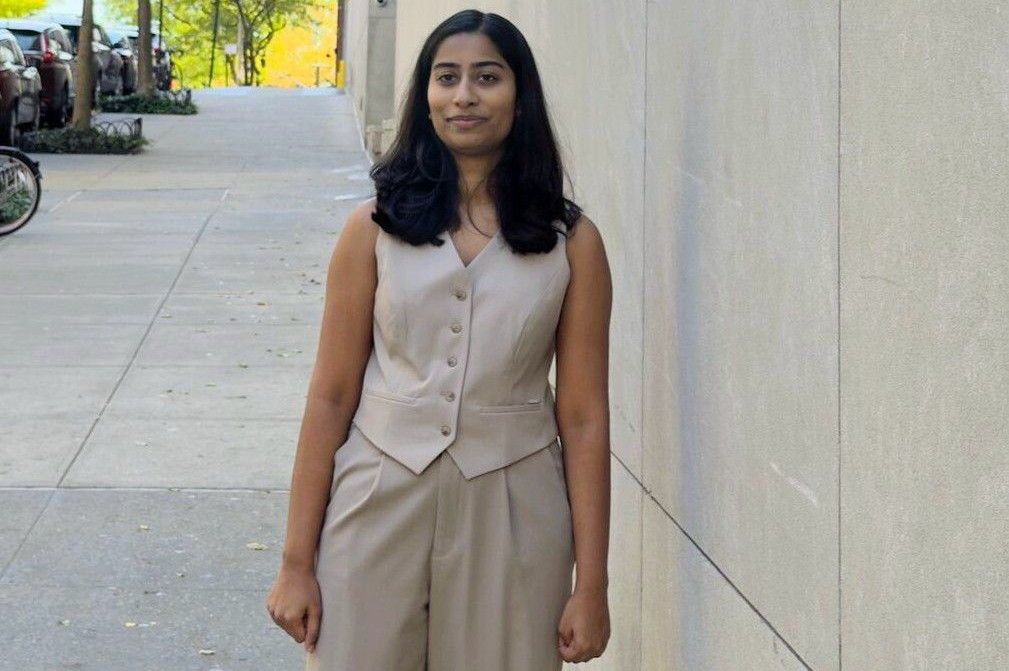
Artificial Intelligence is rapidly reshaping the way organisations work, but for many nonprofits, the conversation often feels distant, complex, and beyond reach. With limited resources, lean teams, and growing expectations to deliver measurable impact, civil society organisations need practical AI solutions that address real operational challenges rather than theoretical possibilities. Recognising this gap, ImpactAI Foundry has launched a unique initiative that equips nonprofits to build, understand, and sustain AI tools tailored to their own needs.
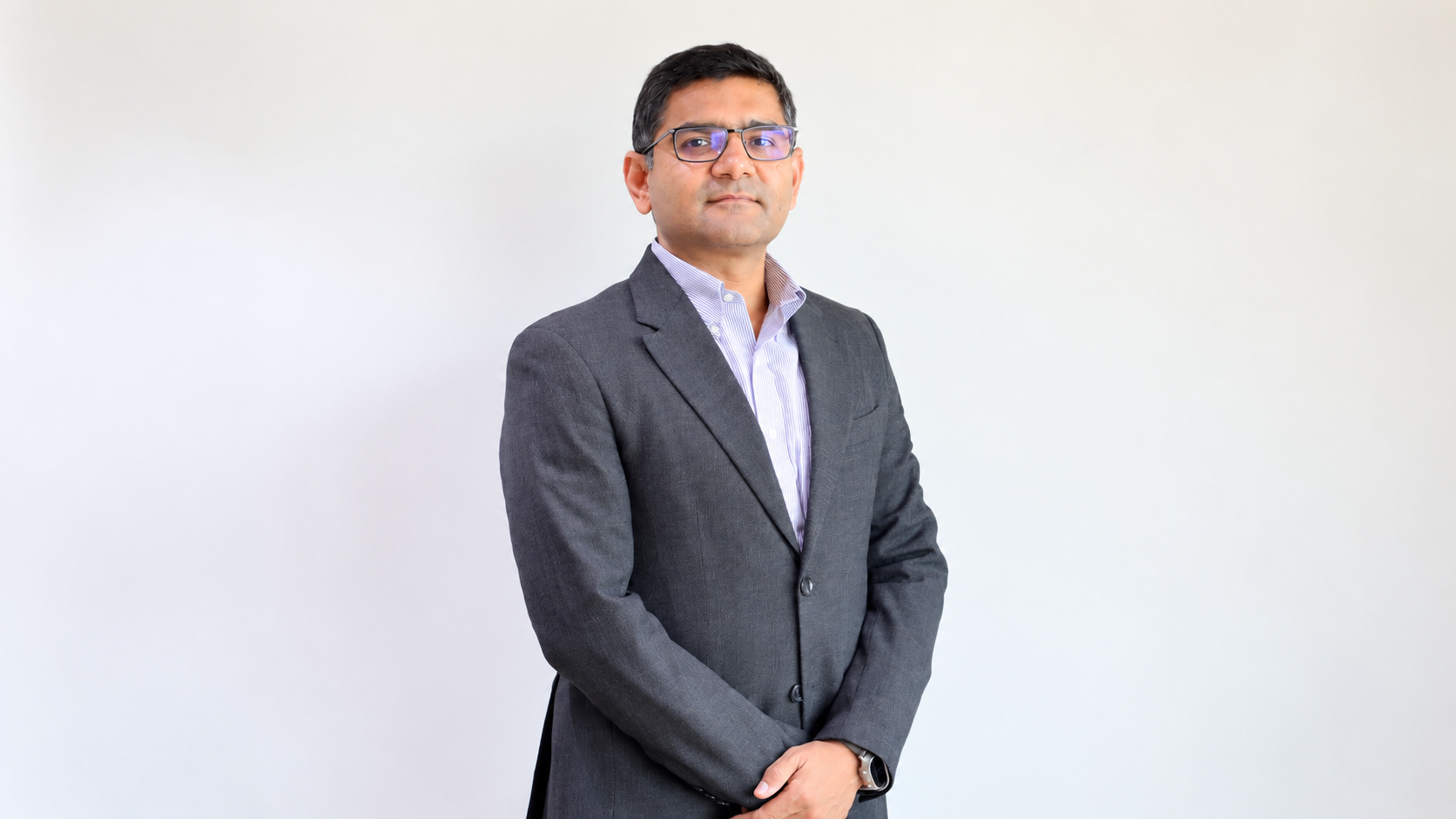
In this exclusive interaction with TheCSRUniverse, Ms. Jyothika Raju, Program Director, ImpactAI Foundry, discusses the vision behind the initiative, the opportunities AI presents for India's social sector, and why this is the right time for nonprofits to embrace emerging technologies. She shares insights into the organisation's pilot cohort, the role of volunteer technology mentors, strategies for responsible and cost-effective AI adoption, and the importance of ensuring that nonprofit teams own the solutions they create. From improving everyday operations and reporting to building long-term organisational capability, Jyothika explains how AI can become an enabler of greater efficiency, stronger outcomes, and more inclusive innovation—helping ensure that India's social impact ecosystem is not left behind in the country's AI journey.
Read the full interview:
Q. What inspired you to start ImpactAI Foundry, and what gap did you see in the nonprofit sector that led to this initiative?
A. We are a team of founders from Bangalore, and across our volunteer work with nonprofits, we kept seeing the same thing: meaningful organisations are running lean teams, under real operational pressure, with no practical pathway into AI. The conversation around AI was either too technical or too enterprise-focused, and neither reflected how civil society organisations actually function.
ImpactAI Foundry was built to fill that gap. Not as an awareness programme, but as a hands-on initiative where nonprofit teams learn to build and own AI tools themselves, designed around their specific challenges, with mentors from Bangalore's own tech community.
Q. Why do you believe this is the right time for nonprofits in India to start exploring and adopting AI?
A. The tools have become genuinely accessible. A few years ago, meaningful AI capability required significant technical infrastructure and budget. That is no longer true. Low cost tools now exist that can handle tasks nonprofits deal with every day, drafting reports, organising data, automating repetitive communication, and more. The barrier to entry has dropped considerably.
At the same time, the pressure on nonprofits to do more with less is only increasing. Funding environments are more outcome-focused, teams are stretched, and the organisations that build internal capacity now will be far better positioned as AI becomes more embedded in how the sector operates. Waiting is not a neutral choice.
Q. What are some of the common challenges nonprofits face when trying to use AI, and how does ImpactAI Foundry aim to address them?
A. The three most common obstacles we see are bandwidth, confidence, and relevance. Most teams are too deep in execution to carve out time for experimentation. Many assume AI requires technical knowledge they do not have. And generic programmes rarely connect to the specific workflows a team actually deals with, so enthusiasm fades quickly.
We address all three directly. The programme is structured and time-bound so it fits around existing work. We start with problems teams are already frustrated by, which builds confidence naturally. And every tool built is specific to that organisation's actual challenge, not a generic demonstration. Each nonprofit is also paired with a dedicated tech mentor who guides them through the process without doing it for them.
Q. Could you tell us more about the June 2026 pilot cohort and what participating organisations can expect?
A. The pilot cohort runs from June to July 2026 in Bangalore, working with six to nonprofits over two months. There are four structured in-person sessions, moving from problem identification and AI fundamentals through to hands-on building, prototyping, and deployment. Each organisation is paired with a volunteer tech mentor from Bangalore's tech community for the full duration.
By the end of the programme, every participating organisation leaves with a working tool built around their specific challenge, and a sustainability plan to maintain it independently. The goal is not a prototype that gets shelved. It is something the team understands, owns, and can keep using.
Q. Can you share some examples of how AI can help nonprofits improve their day-to-day operations?
A. Reporting and documentation are the most immediate wins. Nonprofit teams spend a disproportionate amount of time drafting reports, synthesising field notes, and preparing funder updates. AI tools can generate strong first drafts that staff then review and refine, cutting that time significantly.
Beyond that, organisations have used AI to build internal knowledge bases so staff can quickly find policies or programme guidelines, to automate routine donor and beneficiary communication, and to make better sense of data they already have but struggle to analyse consistently. The common thread is that these are not glamorous problems, they are the operational bottlenecks that quietly drain capacity, and even modest improvements add up meaningfully over time.
Q. How will volunteer tech mentors support nonprofits, and what role do they play in the model?
A. Each nonprofit is paired with one volunteer tech mentor for the full two months, professionals from Bangalore's tech community with backgrounds in engineering, data, product, and machine learning.
The mentor's role is to guide, not to build. It would be easy for a technically skilled mentor to build a tool for an organisation in a weekend, but that leaves the team with something they cannot sustain or adapt. Our mentors work alongside the nonprofit team, supporting them through the build, helping them think through the right approach, and developing a sustainability plan at the end. The commitment is about 10 hours a month apart from the in person sessions, structured and time-bound, which makes it genuinely accessible for professionals with full-time roles.
Q. What kind of collaborations are you looking to build with corporates, CSR teams, foundations, and technology companies?
A. The most immediate need is volunteer tech mentors, and that is where we start conversations with corporates and technology companies. Structured, time-bound pro bono engagement is something employees find meaningful, and it is a low-friction way for organisations to contribute to something with visible community impact.
Beyond mentors, we are interested in co-branding partnerships with companies that want to be early movers in India's tech-for-good space, and in relationships with foundations that are already investing in the nonprofit sector and see AI capacity building as a natural extension of that work.
Q. How can nonprofits adopt AI in a cost-effective and sustainable way?
A. Start small and stay specific. The organisations that struggle with AI adoption are usually the ones trying to solve everything at once. The ones that succeed pick one workflow that is genuinely painful and focus there first. A clear, narrow problem leads to a tool that actually gets used.
On cost, the good news is that free and near-free tools can handle most of what nonprofits need right now. We deliberately build the programme around these tools because sustainability matters more than sophistication. There is no point building something an organisation cannot maintain after we leave. Ownership and independence are built into the model from the start.
Q. How is ImpactAI Foundry addressing ethics, privacy, and data security?
A. We weave these considerations into the build process rather than treating them as a separate module. When an organisation is deciding what tool to build, questions about data privacy, consent, and potential bias come up naturally as part of that conversation. Who will this affect? What data does it use? What happens if it gets something wrong? These are practical design questions, not abstract ethics exercises.
Nonprofit teams are often well-equipped to think through these issues because they are already accountable to communities in ways most businesses are not. Our role is to make sure that instinct carries through into how they build and use their tools, not just how they talk about them.
Q. What will success look like for the pilot cohort, and how do you plan to measure impact?
A. Success for us is tangible and specific. Every participating organisation should leave with a working tool that saves real time or meaningfully improves a task their team was struggling with. Participation numbers and enthusiasm about AI do not count as outcomes.
Ownership is the other measure that matters to us. If a team can explain what they built, use it independently, and maintain it without our support, that is a successful outcome. We will also be tracking whether tools are still in use three to six months after the programme ends, because that is the real test of whether the capacity building stuck.
Q. What is your long-term vision for ImpactAI Foundry, and how do you see AI transforming India's social sector over the next five years?
A. The immediate goal is to get the pilot right and learn from it closely before expanding. After Bangalore, we see clear opportunities to take the model to different cities across India. The larger ambition is a programme that genuinely transfers capability at scale, one that works without us needing to be in the room.
On the broader question, the social sector is one of the most underestimated opportunities in India's AI story. Nonprofits operate under enormous pressure, and even modest efficiency gains translate into stronger outcomes on the ground. What we hope changes over the next five years is who gets included in the adoption curve. Right now, AI tends to follow existing resource advantages. That gap does not have to be inevitable, and organisations like ImpactAI Foundry exist to make sure it is not.

.jpg)