Backing Bharat’s Startups: Kotak BizLabs Brings Strategic Support to Early-Stage Ventures
India’s startup landscape is thriving, yet many early-revenue ventures- especially those outside metro cities- struggle to scale due to lack of market access, strategic guidance, and funding. Kotak Mahindra Bank’s BizLabs Accelerator Programme is addressing this critical gap with a unique, purpose-driven model focused on scale-stage startups solving real-world problems.
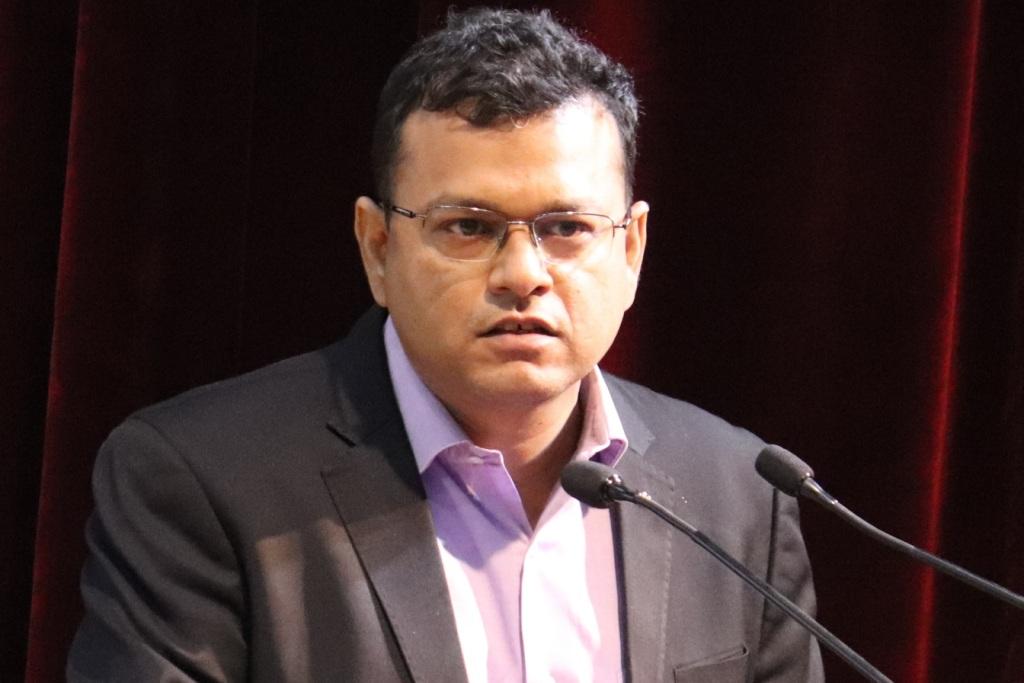
In this insightful interview with TheCSRUniverse, Himanshu Nivsarkar, Sr EVP & Head- CSR & ESG at Kotak Mahindra Bank, shares the vision behind Kotak BizLabs, how it differs from typical incubators, and why the focus on startups in sectors like climate tech, healthtech, fintech, agritech, and sustainable manufacturing is crucial today.
He outlines the program’s expansion into Tier 2 and Tier 3 cities, lessons from Season 1, and how partnerships with top incubators like IIMA Ventures, NSRCEL, T-Hub, and FITT-IIT Delhi are helping scale innovation across Bharat. From catalytic grant funding to tailored mentorship and market linkages, BizLabs is creating a nationwide startup growth ecosystem aligned with India’s goals of inclusive, innovation-led development.
Q&A
Q. What is the vision behind Kotak BizLabs Accelerator Programme and what specific gaps in India’s startup ecosystem are you aiming to address through this initiative?
A. Kotak BizLabs Accelerator Programme was born out of a simple yet powerful vision: to empower India’s early-revenue startups solve real-world challenges with scalable innovation. While India has 1000+ incubators, most startup programmes focus on ideation or early product stages. Nearly 90% of startups fail at the early-revenue stage, Not for a lack of ideas, but for limited funding, little market access, and lack of mentorship. The Kotak BizLabs Accelerator Programme aims to address this gap.
Q. How is Kotak BizLabs Accelerator Programme different from typical incubator programs, and why is the focus on early-revenue or scale-stage ventures important at this point?
A. In the early stages of a start-up’s journey, access to the right resources and support is crucial for a successful kick off. However, many early revenue startups struggle to get the right help and mentorship.
By collaborating with leading incubators like IIM A Ventures, T-Hub, NSRCEL and FITT (IIT D) Kotak Bizlabs Accelerator Programme will provide startups with the guidance and support they need to grow and scale. From expert mentorship to market access and investor readiness, our programme is designed to help them overcome the challenges they face. We are also bridging the funding gap with catalytic grants, providing entrepreneurs with the capital they need to make it big.
And we're not just focused on metro cities. We believe that innovation is happening across length and breadth of the country. That's why we're rolling out a robust outreach strategy in Tier-2 cities like Indore, Warangal, Surat, Jaipur, Vizag, and many more. Through roadshows, pitch events, and workshops, we're identifying high-potential startups and integrating them into a broader ecosystem for growth and scale.
Q. Which sectors or innovation areas are you prioritizing in Season 2, and what makes these areas particularly relevant from a CSR and ESG standpoint?
A. We’re particularly aiming at business who majorly focus on tech for example: Agritech, Climatech, Fintech, Inclusivetech, Sustainability, Edtech, Healthcare, Indigenous Art & Craft, Cleantech or those that are tackling challenges like Climate Impact, Waste Management and Sustainable Manufacturing Offering innovative, commercialisation-ready products or solutions.
Q. Season 2 aims to expand its reach into Tier 2 and Tier 3 cities. What are some specific steps being taken to make the program more accessible to entrepreneurs from these regions?
A. In order to expand our reach into Tier 2 and Tier 3 cities, we are actively engaging with startup founders through roadshows, networking mixers, workshops, and both offline and online knowledge sessions from industry pioneers and incubators. These initiatives are planned to provide them with valuable mentorship with an aim to level up their skills. Kotak Bizlabs Accelerator Programme Season2 will serves as a bridge to connect with local entrepreneurial ecosystems, helping founders access the same quality of support and resources as those in larger hubs through its outreach in these cities
Our partners, IIMA Ventures, NSRCEL, T-Hub and FITT will actively connect with startups in emerging regions and help them gain access to expert-led sessions on product-market fit, fundraising readiness, and business scaling.
Q. What have been some key learnings or success metrics from Season 1 of Kotak BizLabs that are shaping the design of Season 2?
A. Season 1 of Kotak BizLabs gave us valuable insights that have directly shaped the design of Season 2. A key learning was the need for strong regional and sectoral expertise. While our initial three partners were business incubators, we realized the importance of having an anchor partner in North India and one with deep tech expertise. This led to onboarding FITT IIT Delhi as our fourth partner, which not only strengthens our tech focus but also expands our geographic presence from 9 to 13 states.
The programme design is now harmonised across all partner incubators, ensuring a consistent quality of experience and better scalability, so that whether a startup is in Coimbatore or Chandigarh, it receives the same depth of support.
Another learning was that funding requirement varies between startups and for some a larger amount is critical to make that early inroads. Last year, we offered a flat grant amount, but this time we’ve introduced a range-based model of ₹10–30 lakh, allowing us to tailor support based on the startup’s needs. We’ve also increased the total funding pool by nearly 50%, enabling us to support approximately 60 startups with grant funding.
In addition, we’re deepening engagement in Tier 2 and Tier 3 cities while piloting a platform feature to build an integrated BizLabs community—creating a connected ecosystem where startups, mentors, and partners can collaborate seamlessly and access opportunities, regardless of geography.
These enhancements reflect our commitment to scaling impact and addressing the real needs of India’s startup ecosystem.
Q. How are startups supported beyond funding—particularly in terms of market access, mentorship?
A. Our goal is to enable access and growth through an intensive 6–9-month acceleration programme designed to strengthen every aspect of a startup’s journey. Key components include:
- Dedicated Mentorship: Each startup will be paired with an anchor mentor to provide personalized guidance.
- Structured Curriculum: A well-defined roadmap covering critical business and technical areas.
- Investor Connects & Demo Days: Opportunities to showcase progress and engage with potential investors.
We will also support startups in:
- Fundraising Readiness: Pitch refinement and investor engagement strategies.
- Core Business Requirements: Go-to-market planning, sales enablement, and financial management.
- Operational Scalability: Building processes for sustainable growth.
- Product & Technology Development: Enhancing product capabilities and tech infrastructure.
This programme is designed to address the pressing needs of early-stage ventures and prepare them for long-term success.
Q. What role does purpose-driven innovation play in your evaluation and selection process? Are there specific social or environmental outcomes you look for in participating startups?
A. Our whole programme is centered around innovation that builds for better tomorrow. All our themes reflect this vision, be it agritech, edtech, climatetech and more.
Q. Looking ahead, how do you see Kotak BizLabs contributing to India’s broader goals around entrepreneurship, innovation-led growth, and inclusive economic development?
A. At Kotak BizLabs, we are committed to bringing a quality accelerator programme to tier 2 & tier 3 cities where the need is felt most.
Going forward, we will continue to support early-revenue startups through our intensive accelerator program, helping them scale sustainably with mentorship, market linkages, and strategic guidance. At the same time, our community-driven initiatives like the online Startup School, networking mixers, and workshops will ensure that even those outside the cohort benefit from learning and connections.
Innovation will remain central to our approach, with a focus on startups that bring strong intellectual property and differentiated solutions to address real-world challenges.
In the long term, Kotak BizLabs aims to be a platform that empowers startups to innovate, scale, and create meaningful impact, driving India’s vision of a dynamic, inclusive, and future-ready economy
Q. Could you share some interesting startup stories/early indicators from Season 1, such as the kind of ventures that were part of the cohort and the impact they’ve created?
A. Season 1 of Kotak BizLabs showcased some remarkable startup journeys that underline the program’s impact:
- EduMEasy (Jodhpur): An edtech venture transforming STEM education through hands-on learning kits. With BizLabs’ support, they secured ₹40 lakh funding and expanded their reach across India. With expert mentorship, they enhanced product innovation and scaled their hands-on STEM education kits to reach 500 schools by 2025.
- Robo Bionics (Mumbai): A medtech innovator redefining prosthetic care with its Grippy Bionic Arm. BizLabs helped them achieve ISO certification and build strategic clinic partnerships.
- Adis Technologies: A deep-tech startup advancing sustainable industrial solutions. The program enabled product commercialization and investor engagement.
- BioReform: A biodegradable packaging startup that scaled its client base and achieved ₹1.5 crore ARR with BizLabs’ guidance.
- Vitulomics: Developing plant-based livestock solutions, supported through funding and mentorship to scale trials and enter new markets.
These success stories have inspired us to expand outreach to 20+ cities, strengthen mentorship, and provide approximately ₹9 crore in grants to 60 startups, with a strong focus on innovations from smaller cities.



.png)