A Data-Driven, Mission-Led ESG Framework: Decoding Page Industries’ Roadmap with MD VS Ganesh
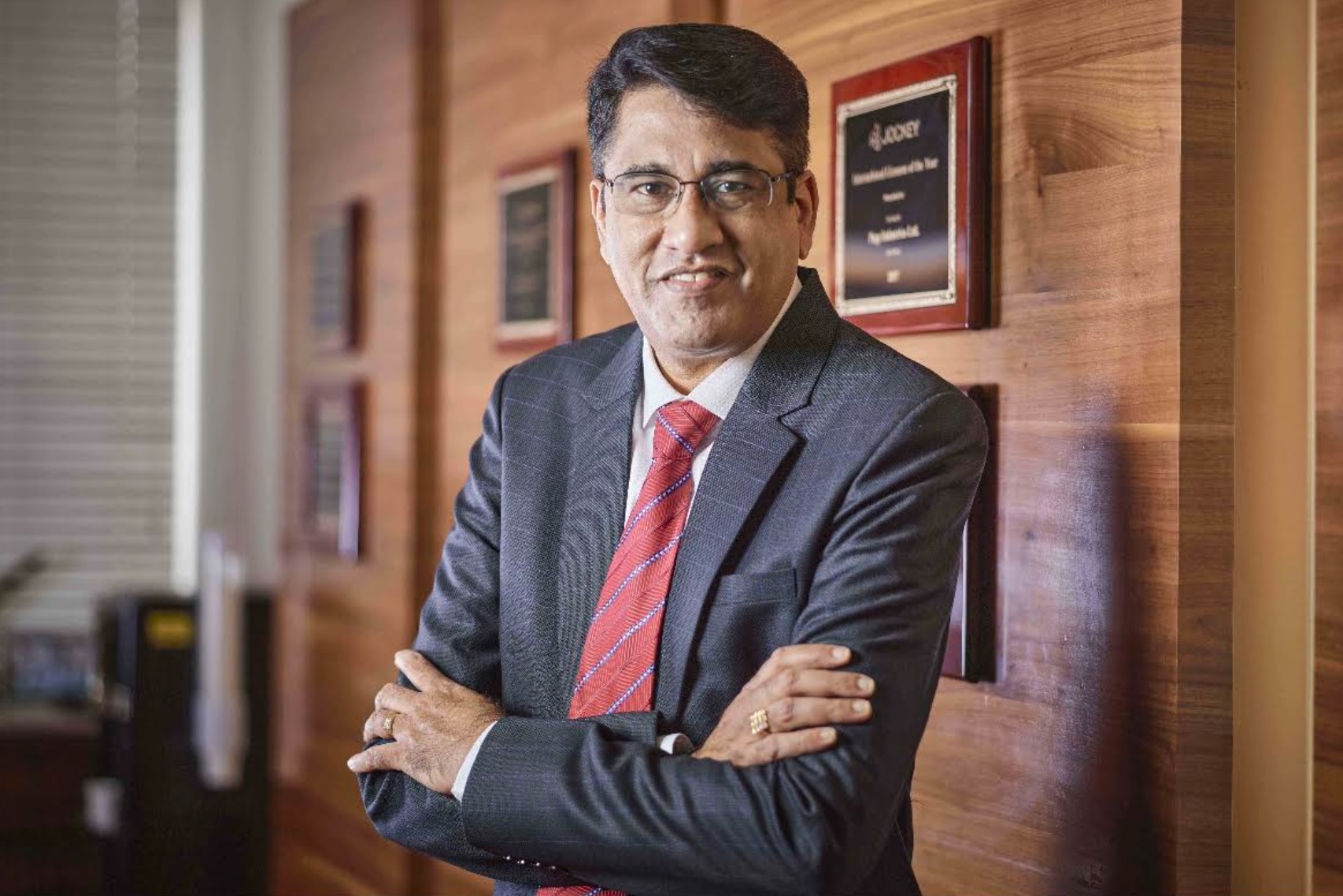
In an industry where sustainability has become both an imperative and a differentiator, Page Industries stands out for embedding environmental and social responsibility into the core of its business strategy. As one of India’s leading apparel manufacturers and the exclusive licensee of Jockey and Speedo, the company has built a structured, mission-driven ESG framework that goes far beyond compliance- aiming instead to reimagine how the apparel sector can grow responsibly. Under the leadership of Managing Director Mr. VS Ganesh, Page Industries has adopted a comprehensive approach that spans energy transition, water stewardship, waste circularity, responsible sourcing, and supply-chain capability building.
From achieving a notable 42% reduction in GHG emissions and significant gains in energy efficiency, to advancing water recycling systems, eliminating single-use plastic waste, and strengthening MSME partners through domestic sourcing, the company’s sustainability journey reflects both ambition and discipline. With clear five-year goals aligned to global reporting standards and governance driven by senior leadership, Page Industries is shaping a culture of accountability and long-term impact.
In this interview, Mr. Ganesh shares insights into the company’s milestones, challenges, policy expectations, and the future roadmap that will define its continued transition toward a low-carbon, circular, and socially responsible business.
Read along for deeper insights:
Q. We’d like to begin with an overview of your sustainability efforts.What is the overarching approach taken by Page Industries, and what are the key areas that you are working on?
A. Sustainability is at the core of Page Industries’ business strategy, guided by a well-defined ESG framework with nine core missions and 28 objectives. These missions cover every key area of our operations.
Under the Environmental pillar, our priorities include Product Stewardship, Materials, Energy and GHG Emissions, and Water and Effluents. In the Social area, we focus on Diversity and Equal Opportunity, along with Occupational Health and Safety. Under Governance, our key areas are Economic Performance, Governance, Risk and Compliance, and Responsible Supply Chain. Our ESG structure is fully aligned with global GRI standards, ensuring that every step we take supports a sustainable, ethicaland responsible future for our business and stakeholders.
Each mission is spearheaded by senior leaders who ensure consistent progress and development in the focus areas. Progress is tracked through baseline assessments for each mission with five-year goals aligned with global reporting standards. These goals are overseen by the mission mentors, the Central Sustainability Team, and the Sustainability Steering Committee, led by the apex leadership - MD, Chairman, and CEO. This framework ensures that we are consistently measuring our environmental and social performanceand building a culture of accountability, transparency, and long-term impact across our business.
Q. You have achieved a 42% reduction in GHG emissions and a 19% reduction in energy intensity. What specific changes or innovations have helped you reach these milestones?
A. We reduced our greenhouse gas emissions by 42% and energy intensity by 19% through a focused strategy built on energy efficiency, low-carbon growth, and responsible operations. This progress came from using renewable energy, improving processes, and working closely with our supply chain. We have installed our own solar plants with a current capacity of 360 kW at one of our units. Our upcoming facility in Odisha is set to contribute an additional 1MWfurther expanding our renewable energy footprint. We also use biomass-based boilers to reduce fossil fuel use for Scope 1 emissions and reduce our dependence on the power grid for Scope 2.
To consume energy more efficiently, we upgraded to LED lighting, BLDC Fans, and high-efficiency motors. We also introduced VFD compressors and implemented sensor-based automation to reduce energy waste during idle periods. Additionally, we initiated partnerships with key vendors for tracking and sensitizing toward Scope 3 reductions. At this time, this includes eight major categories, including inbound/outbound logistics, procurement of materials, and employee commuting. Our high-level goal is to achieve 50% of our energy from renewable sources by FY29. In summary, this demonstrates a unified approach to energy efficiency, low-carbon growth, and responsible operations.
Q. You've also significantly reduced freshwater consumption and increased recycling. Can you share more insights on your water management strategies?
A. At the core, we ensure that very little water is used in processes, with necessary measures in place to ensure water conservation and recycling. Our dyeing facility includes a low-temperature evaporative system and a four-stage RO plant that can recycle up to 99 percent of treated water, substantially reducing the requirement of fresh water withdrawal. The other facilities' domestic use of water is treated in-house with sewage treatment plants, and this treated water is reused in all facilities for flushing and landscaping. We have also implemented a rainwater harvesting system that further aids water efficiency. In addition, all our units have aerators installed in them, cutting water use for handwashing by up to 80%. Through these initiatives, we ensure that almost all of the water we use in our operations is recycled or reused with zero discharge and reduced dependency on freshwater.
Q. The company has achieved 100% recycling of single-use plastics and diverted 1308 MT of plastic waste. What are some of the biggest challenges you face in reducing material waste across your operations?
A. As a responsible manufacturer, we have partnered with recyclers authorized by the Central Pollution Control Board (CPCB). All plastic volumes generated from our packaging or received through suppliers are monitored and tracked through a traceable EPR system under the PIBO framework, and each product package can be traced from the source to recycling. We have also reduced the material layers in packaging and taken steps to replace components made from virgin plastic with recycled alternatives wherever possible.
Q. What steps have helped you maintain zero waste to landfills across your manufacturing units and vendors?
A. Our efforts to ensure zero waste to landfill include a circular approach that involves the segregation and management of all waste streams. Hazardous waste (e.g. used oil, e-waste, and batteries) is sent to recyclers approved by the CPCB for safe recovery. Non-hazardous waste (e.g. elastic scraps, fabric scraps) is diverted to recovery for energy or is repurposed by different sectors, such as the cement industry. Material offcuts produced by garment manufacturing are sold to recyclers to be repurposed for products like cushions or soft toys to recover value and reduce landfill impact. This integrated systemachieves 100% diversion from landfill, while also contributing to resource efficiency and principles of the circular economy.
Q. Please tell us more about your growing engagement with MSMEs and 100% domestic cotton sourcing. Have you been able to assess the economic impact on suppliers and MSMEs?
A. We source over 85% of the raw materials used in our products, especially cotton, from domestic suppliers primarily located across Tamil Nadu and Gujarat. A vast majority of the 216 active suppliers are Indian MSMEs, which make up the core of our value chain. Our relationships with MSME suppliers go beyond just buying goods. We work with them to build resilience, improve capabilities, set quality benchmarks, and promote sustainable practices.
We aim to create social value by strengthening the local economy, generating jobs, and encouraging responsible sourcing. We also ensure that all our cotton is sourced from domestic suppliers, which helps improve traceability, reduce emissions and support India’s agricultural ecosystem.
Q. Sustainability often requires upfront investment. How do you balance initial costs with long-term environmental goals, especially in a price-sensitive market like India?
A. We view sustainability investments as long-term value creators, not costs. Every project, including solar installations, rainwater harvesting, and effluent treatment plants, is carefully assessed for returns, with most achieving payback within three to five years. We also use innovative models like group captive power sourcing that lower capital costs and speed up renewable energy adoption.By focusing on projects that deliver clear environmental benefits, we stay cost-conscious while moving closer to our long-term sustainability goals.
Q. With an expanding e-commerce footprint, how are you addressing the environmental impact of packaging and logistics in the digital supply chain?
A. We are rethinking packaging focused around the motto “Reduce, reuse, and recycle”.Our logistics strategy includes embracing cleaner transportation options like utilizing electric and CNG vehicles for last-mile delivery. Route-optimization and smart warehousing practices such as solar-powered facilities and energy-efficient lighting help us reduce emissions and resource consumption throughout the supply chain. We are also consolidating our warehouses to enhance scale and efficiency, providing us with more opportunities to strengthen automation. We’re improving inventory management and reducing returns, cutting down on fuel use and carbon emissions by leveraging data analytics, IoT and automation. We believe that sustainability is a shared journey and thus encourage our customers to join us by choosing minimal packaging, reusing boxes and following recycling guidance on our packages. Together, we’re fostering a culture of responsible consumption and circularity.
Q. What are the biggest challenges that Indian apparel manufacturers face in their sustainability initiatives?
A. The Indian apparel industry is rapidly evolving, with apparel manufacturers continuing to face challenges in embedding sustainable practices across the value chain. Our own journey has been one of learning, collaboration and continuous improvement, and it offers valuable insights for others walking the same path with some key challenges including:
- A fragmented supply chain: Ensuring traceability and consistent sustainability standards across India’s vast and diverse supply chain remains a major hurdle.
- Cost and technology barriers: Transitioning to eco-friendly raw materials, renewable energy or wastewater treatment systems often requires significant investment; something that smaller players find difficult without financial support or policy incentives.
- Awareness and skill gaps: Many manufacturers are still in the early stages of understanding ESG frameworks, lifecycle impacts and sustainable design principles. Building workforce capability is equally crucial for long-term transformation.
- Data and transparency: Manual processes and fragmented systems hinder collection of reliable sustainability data for reporting (like BRSR, GRI or CDP). Transparency and digital integration are segments that are still undergoing evolution.
- Availability of green substitute materials: Without scalable green alternatives (e.g., plastic for packaging), transitioning to sustainable production remains a complex and costly endeavor.
Q. Is there any policy intervention or support that you feel could be helpful in elevating sustainability in the apparel industry in India?
A. While manufacturers are increasingly adopting green practices, there are various key policy interventions like financial incentives for green investments, such as subsidies, tax benefits or low-interest loans for energy-efficient machinery which prove to be extremely helpful in elevating sustainability in the industry. Also, renewable energy installations, wastewater treatment plants and circular manufacturing initiatives to reduce cost barriers for both large and small manufacturers are equally viable options to be considered. Clear, practical sustainability standards for materials, production processes and packaging would help manufacturers align practices across the industry, ensuring transparency, traceability and credibility.
Q. Looking ahead, are there specific sustainability targets or initiatives that Page Industries is working towards in the near term?
A. At Page Industries, sustainability is a long-term commitment across our operations. In the near future, our focus lies on measurable, high-impact initiatives including:
Carbon and Energy Management:
- Reduce energy intensity by 20% across all operations by FY 2027-28
- Reduce emissions intensity by 40% by FY 2027-28 and 50% by 2029- 30
Responsible Supply Chain:
- Conduct annual sustainability assessments and audits for 100% of suppliers representing two percent or more of business value
- Maintain an RSL compliance rate of over 90% Y-o-Y for all fabric and yarn suppliers
Water Stewardship:
- Achieve a 15% water intensity reduction by FY 2027-28
- Increase the share of rainwater usage to 7% of total water withdrawal by FY 2027-28.
Sustainable Raw Materials:
- Ensure 100% Y-o-Y Oeko-Tex certification for all Fabric, Elastic, Yarn and Label suppliers.
- Maintain 100% recycling and responsible management of pre- and post-consumer plastic packaging Y-o-Y.
Occupational health & Safety:
- Identify and implement opportunities to divert waste from incineration to recycling and reuse.
- Implementation of safety assessment for all Exclusive Brand Stores (EBS) by 2026-27 and new High-Risk Management Programs Y-o-Y.
- Achieve and maintain ZDHC (Level 3) compliance Y-O-Y
- Uphold 100% Y-o-Y adherence to the WASH Pledge through Page’s standard operating procedures.







.png)