Smarter Schools, Stronger Communities: How Microchip’s CSR Programs Are Building Resilient Learning Ecosystems
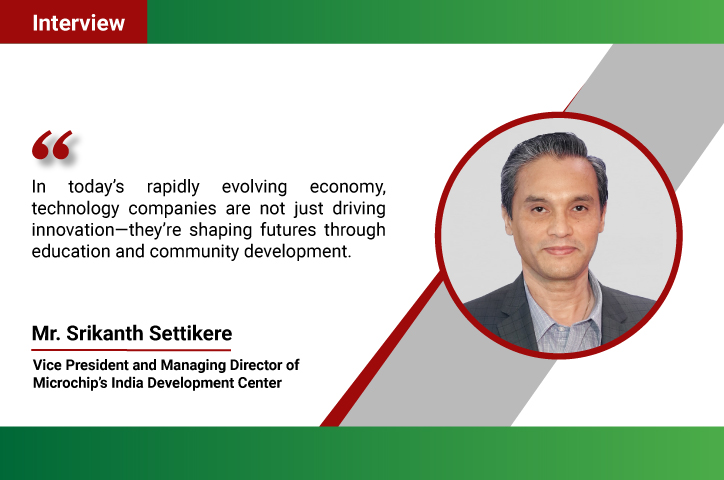
In today’s rapidly evolving economy, technology companies are not just driving innovation- they’re shaping futures through education and community development. Microchip Technology’s CSR efforts in India reflect this belief, with a strong focus on education, skill-building, and hands-on STEM learning- particularly for underserved communities.
In this interview with TheCSRUniverse, Mr. Srikanth Settikere, Vice President and Managing Director of Microchip’s India Development Center, shares how Microchip is aligning its CSR programs with national priorities and grassroots needs. From reconstructing schools in Tamil Nadu and Karnataka to launching innovation labs in Telangana, Microchip’s initiatives are designed to make learning safer, smarter, and more accessible.
The conversation highlights Microchip’s employee-led clean-up drives, the critical role of its local CSR committee, and its collaborations with partners like T-SIG and Inqui-Lab Foundation to enhance long-term impact. With a multi-pronged approach that blends education, environment, healthcare, and community engagement, Microchip is setting a benchmark for how tech-led CSR can empower the next generation and uplift entire communities.
Q&A
Q. What is the vision behind Microchip’s CSR initiatives in India, and what key gaps are you aiming to address through this multi-pronged approach?
A. At Microchip, our CSR vision is rooted in the belief that meaningful innovation begins with empowering communities and creating opportunities for all. Our initiatives in India are designed to foster shared growth by addressing systemic gaps in education, workforce readiness, and community development.
Q. Education and workforce readiness seem central to your efforts. How do your programs support STEM learning, especially in underserved communities?
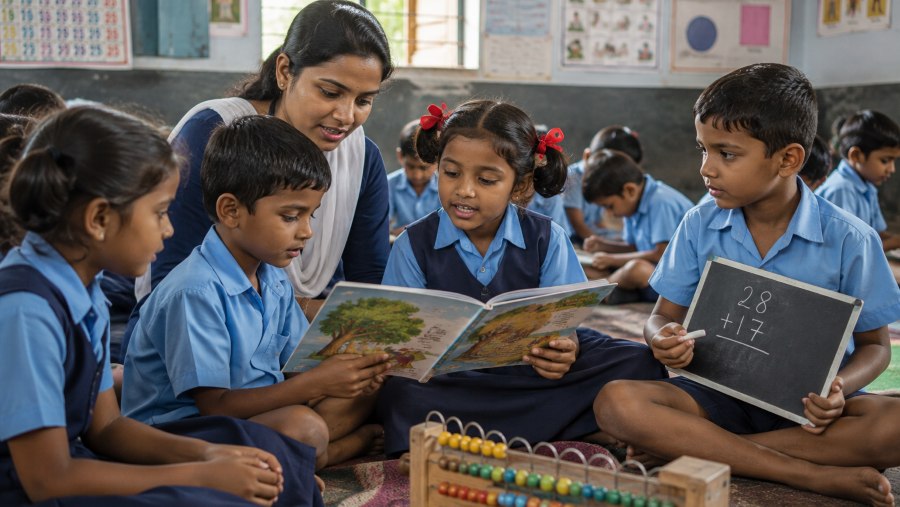
A. We focus on advancing STEM education and vocational training, especially in underserved regions. This includes reconstructing schools in rural Bengaluru, building new educational infrastructure in Karnataka, and launching innovation spaces in Telangana. These efforts aim to bridge the gap in access to quality foundational and experiential learning.
Q. Could you share more about the new school infrastructure and reconstruction efforts near Bengaluru and in Tamil Nadu? What impact have you seen so far?
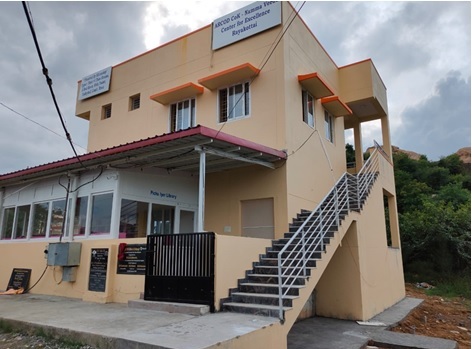 A. In Tamil Nadu, we inaugurated an upgraded Centre of Excellence in Krishnagiri in 2022. This facility supports both academic and residential needs, as we’ve also helped reconstruct schools and hostels in the region. Our monthly school clean-up drives in Chennai, involving employees and their families, have fostered a strong culture of community engagement and responsibility.
The impact has been tangible. We’ve seen increased school attendance, improved learning outcomes, and a growing sense of ownership among local communities. Teachers report better engagement and students now have access to safer, more inspiring spaces to learn and grow. These projects are not just about infrastructure—they’re about empowering futures.
Q. The initiative at the Telangana Social Welfare Residential School includes innovation labs and maker tools. What kind of outcomes are you expecting from this hands-on learning model?
A. The innovation space we’ve launched at the Telangana Social Welfare Residential Educational Institutions Society in Maheshwaram is a cornerstone of our CSR efforts to promote experiential STEM learning. This all-girls high school now has access to prototyping kits, maker tools, and trained educators, enabling students to engage in hands-on problem-solving and creative exploration.
Q. How does Microchip’s employee engagement, like the monthly clean-up drives, contribute to building community relationships and fostering a culture of service?
A. Our monthly school clean-up drives in Chennai are a great example of how employee engagement can be a powerful force for community building. These initiatives go beyond physical upkeep; they’re about creating shared experiences between our teams and the communities we serve.
Employees and their families actively participate, which fosters a culture of service and empathy within Microchip. It’s heartening to see children, parents, and staff working side-by-side to improve learning environments. This not only strengthens community relationships but also instills a sense of ownership and pride in both our employees and the local residents.
Q. What role does your local CSR committee play in designing and monitoring these programs on the ground?
A. Our local CSR committee is the backbone of Microchip’s community engagement strategy in India. They play a strategic and operational role in ensuring that our initiatives are not only well-designed but also sustainable and impactful.
The committee is composed of cross-functional leaders and volunteers who bring diverse perspectives to the table. They are responsible for:
 - Identifying local needs through community interaction and stakeholder feedback
- Designing programs that align with both Microchip’s values and India’s CSR regulations
- Partnering with NGOs and government bodies, such as the Telangana Social Impact Group and Inqui-Lab Foundation, to implement initiatives effectively
- Monitoring progress through regular site visits, impact assessments and feedback loops
- Ensuring accountability and transparency in fund allocation and execution
Q. How have your collaborations with partners like T-SIG, Y-Hub, and Inqui-Lab Foundation helped enhance the reach or impact of your initiatives?
A. Our partnerships with Telangana Social Impact Group (T-SIG), Youth-Hub (Y-Hub), and the Inqui-Lab Foundation have been instrumental in scaling the reach and deepening the impact of our CSR initiatives in India.
Q. Looking ahead, how do you plan to evolve or scale your CSR interventions in India to ensure long-term, sustainable impact?
A. Our vision for the future of CSR at Microchip India is centered on scaling impact through deeper partnerships, data-driven monitoring and community-led innovation. We’re committed to evolving our programs in ways that are locally relevant, nationally aligned and globally responsible.



.png)