Rethinking Development Through Indigenous Wisdom: Inside Keystone Foundation’s Community-Led Journey
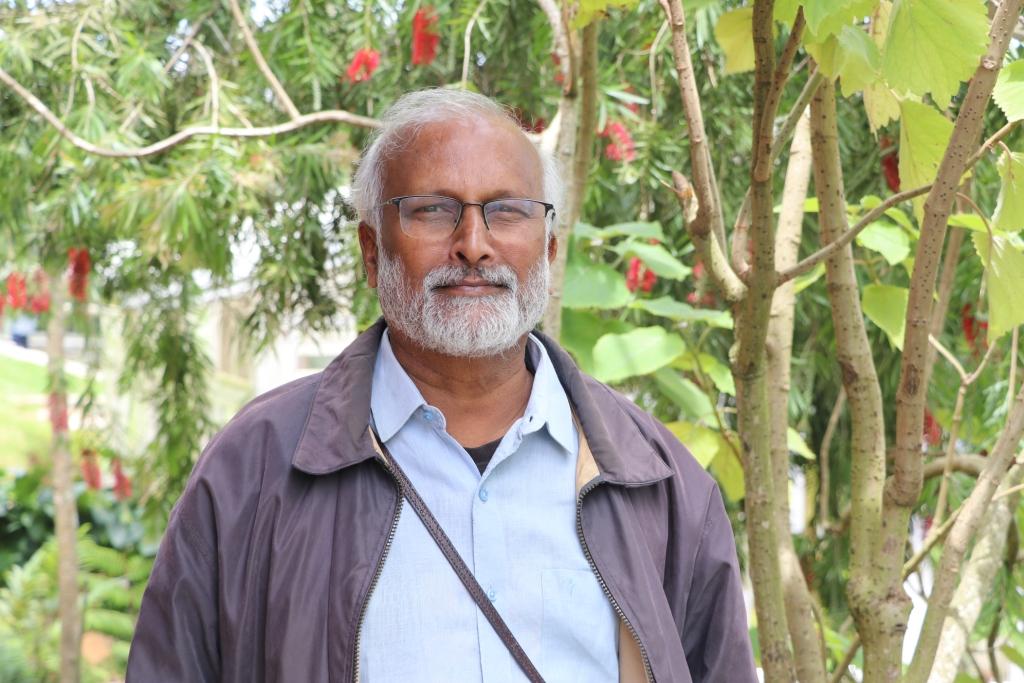
Across India, conversations around climate resilience, indigenous rights and sustainable livelihoods are gaining renewed urgency. As ecological stress deepens and rural aspirations evolve, organisations working closely with forest and mountain communities are shaping models that balance conservation with dignity and economic agency. This interview engages with these themes through the lived experience of Keystone Foundation, an organisation that has spent over three decades working at the intersection of ecology, culture and community led development.
Founder Director Pratim Roy reflects on how indigenous communities across the Nilgiri Biosphere Reserve and other regions are becoming more confident, rights aware and aspirational, while remaining deeply rooted in their ecological landscapes. The conversation explores Keystone Foundation’s approach to co creating solutions with communities, integrating traditional knowledge with climate science, and building sustainable enterprises that protect cultural authenticity while accessing modern markets. It also touches upon the growing importance of communication and advocacy in India’s development landscape, and how Keystone’s collaboration with Thought Blurb is helping local voices travel into policy spaces, youth platforms and national conversations without losing their soul.
Scroll down to read the full interview:
Q. Keystone Foundation has been rooted in indigenous community development and ecological well-being since 1993. Looking back, what shifts have you observed in the communities you work with in terms of aspirations, involvement, and resilience?
A. Communities are more aware, confident of expressing their rights, less shy and aspire to lead a different life than what they have been doing in the past.
Q. Keystone’s presence spans different geographic and cultural landscapes from the Nilgiri Biosphere Reserve to Central and Eastern India. How do these regional distinctions shape your programmes, and what have you learned from navigating these diverse ecosystems?
A. Our basic focus has been mountain ecosystems, tribals and forests. Each of these areas have a strong connection to these strands of work, which is our forte, our deep understanding and dive. Each is a different navigation, even in the NBR there are several facets of ground realities, culture and ecological contexts. One thing is to be completely open, flexible and listen from community. A common, co-created solution works out, where the community understands our approach and we recognise their needs. But it’s important to navigate this process and get into action. Each site, project, community is a learning, our strength and emphasis lie in documenting very closely the nuances.
Q. Much of Keystone’s work lies at the intersection of environment, livelihoods, and culture. How do you ensure that ecological conservation efforts coexist with community-led economic aspirations?
A. Our work is embedded in Natural Resources Management regimes, without that our work is not relevant. Be it Non-Timber Forest Produce, Water & Wetlands, Bees & Pollination, Climate Change monitoring – each has an ecology lens through which we look at markets, economic paradigms. It’s not easy to ensure as sometimes if markets and economy is good, then things start to grow and accelerate. But this is where we need to widen the communities and look at larger scales and new geographies.
Q. With ongoing climate change conversations gaining global prominence, how is Keystone helping indigenous communities evolve local solutions that can influence national or international discourse?
A. We are currently involved in a CbMRV – Community-based Measuring, Reporting & Verification project with communities in 3 ecosystems. Hills, wetlands and coastal mangroves, the science of climate change and local traditional knowledge is being blended, combined for the communities to express, record, prioritise what is happening in their hinterlands and homesteads. This project has got International & National visibility and has potential for more in making local climate narratives talk to policies and influencers.
Q. Keystone often mentions “voicing community realities”. What challenges do communities face in being heard in mainstream spaces, and in what ways has Keystone served as a bridge?
A. We have a Community Radio Station which is truly the voice of the community, it broadcasts daily 7 hours a day, 7 days a week, their content, their stories, their issues. Through the CbMRV project we brought the community face to face with Government at a senior level. Keystone always serves as a bridge – the knowledge keepers are them from the community, we have scholars from the community who document their histories – be it a pastoral practice, a forest garden, a medicine which they would like to share. The agency is with them, we are facilitators.
Q. Sustainable enterprises such as Last Forest and Aadhimalai have been called green shoot models. What measurable shifts have these enterprises created in tribal livelihoods, and how are these successes being scaled?
A. Aadhimalai Pazhangudiyar Producer Company is a FPO of 2500 Adivasi shareholders, led by Directors who are Adivasis. This is scaling up and many more Adivasis are joining this FPO, as it gives them a competitive price, branding. Last Forest is a social marketing enterprise, concentrating on taking the Adivasi produce to markets, consumers. There is a huge potential, but after covid, both these companies took a hit and now there is more competition in the market for natural, forest products. So there are challenges, but both the companies are striving to find new markets, conscious buyers and channels.
Q. Many of these enterprises tap into traditional knowledge such as honey hunting and forest-based indigenous craft. How does Keystone ensure that such knowledge remains protected, fairly compensated, and not commercially diluted?
A. This is most important that it does not get diluted, so authenticity and protection of the culture of practice is important than just buying and selling. We are very mindful of that; the communities understand that fully. The exploitation of middlemen has been removed primarily by a transparent system of pricing which is explained to the communities in Aadhimalai general body meeting annually before the season starts. We take efforts to document the honeyhunters – where are they from, which cliff did they go, how much honey they got, what sort of technologies they used, how many and who went with them. So these detailed documentation makes sure that operators who wish to make a quick buck, who come in and go, can’t exploit the system. But we are not dominating the market, there are different players like in all business, all will not follow these protocols and guidelines. We appeal to the discerning customer and gradually a movement starts.
Q. Partnerships often signify progression and transformation. What internal gaps or future ambitions led Keystone to formally collaborate with Thought Blurb, and how do you envision this shaping your external narrative beyond environmental development?
A. Keystone wanted an agency who dives deep with us in our realm, Thought Blurb is one of the rare ones. They appreciate, understand, make the extra effort, the research then only something unique emerges. With Thought Blurb we wish to make an exchange of their teams with ours, I think a whole new pedagogy, curriculum is waiting to be unearthed. It goes beyond environmental development; it is to with communications of Life in this part of the world. What does it want to convey to the others? This synergy is rich and Thought Blurb and Keystone Foundation have embarked on that journey and road.
Q. The partnership explores cross pollination of teams through immersions, retreats, creative pedagogy and shared communication learning. Could you share one meaningful experience from this collaboration so far that has influenced your thinking on communication and advocacy?
A. Simple posters on climate change, policy notes, annual reports, blogs and posts – each of them has brought visibility and whole new audience which we did not have before. We needed the corporate sector fusion with NGO space to arrive at a hybrid. Work styles and approaches are different, but the need for collaboration is more urgent and opportune. Explaining technical, local, grassroots messages on climate change, community wellbeing or biodiversity in clear lucid way to mainstream those messages is the work of advocacy and that speaks to the decision -makers. Keystone Foundation needed this moment, as we have dived deep in to the ecology and community space, this is a time to resurface and take fresh breaths, Thought Blurb is making it possible.
Q. The story of Keystone holds layers of community identity, ecological stewardship, rights, livelihoods and heritage. How do you foresee Thought Blurb’s involvement translating these layered narratives into tangible outcomes such as youth engagement, product-led storytelling, policy presence or wider awareness
A. Thought Blurb is a keen and interested partner, they are fired by this partnership, they don’t have clients like us. So, it’s their learning platform which we are co-creating in both places, Thought Blurb & Keystone Foundation for communications to work seamlessly and tell stories in a powerful way. The outcomes are already being seen in greater youth engagement and policy presence. We are thinking of a film to be made in the future. So I see this as a long journey where we can explore niches, mainstream ideas, cross-sectoral and shifting the power.



.png)