ITC Promotes Women-Led Water User Groups to Advance Water Equity and Sustainability
New Delhi, March 21, 2026: ITC Limited is strengthening community-led water management through its ‘Water User Groups’ (WUGs), with a strong focus on women’s participation, aligning with the World Water Day 2026 theme of “Water and Gender.”
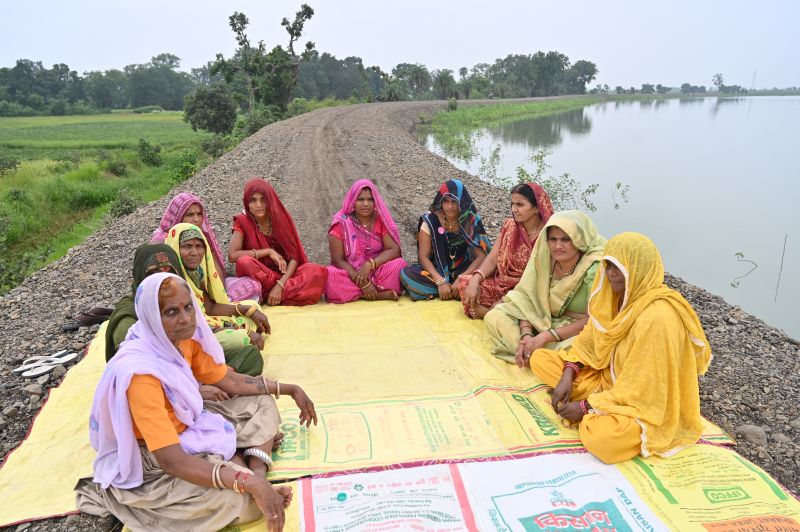
The initiative, part of ITC’s integrated water stewardship programme, is enabling rural communities to collectively manage water resources, adopt climate-resilient farming practices, and improve agricultural productivity. In villages such as Molga in Sehore district of Madhya Pradesh, the initiative has contributed to the revival of water bodies and improved irrigation, transforming previously barren land into productive farmland.
ITC has facilitated the formation of over 5,800 Water User Groups across the country, which now play a central role in managing local water systems. These groups work in collaboration with implementation and knowledge partners to promote behavioural change, efficient water use, and decentralised governance of water resources.
The programme has covered over 1.89 million acres and benefited more than 5 lakh people across 17 states. A key feature of the initiative is the active involvement of women, who are increasingly taking leadership roles in decision-making, maintenance of water infrastructure, and equitable distribution of water resources.
“In inclusive Water User Groups, women play an active role in decision making on how water is managed, maintained and shared, ensuring ITC’s integrated water interventions are not only equitable and sustainable but also scalable. This approach has enabled a positive impact on the community and environment while fostering agency and a sense of empowerment among women.” said Mr. Prabhakar Lingareddy, Executive Vice President and Head - Social Investments, ITC Limited.
Women under the programme are also driving demand-side water management initiatives such as “More Crop Per Drop.” Through the Krishi Sakhi programme, thousands of women have been trained to promote micro-irrigation techniques and climate-resilient agricultural practices. These efforts have contributed to potential crop water savings of nearly 1,700 million kilolitres in 2025–26.
The initiative has also delivered social benefits, including reduced time spent by women in fetching water and increased opportunities for income generation through micro-enterprises and self-help groups.
“We used to face a lot of difficulty in getting water earlier. There was no water in the nearby borewell and I myself had to carry two pots on my head for long distances to bring water. My hands and feet would ache from the long walks in the sun and we were left with little time at home. After getting involved with ITC’s water user group, along with 10 other women, we have been contributing actively in maintaining the village dam. There has been a lot of positive change since then.” said Vimla Malvi, a woman member of a water user group in Sehore.
ITC’s broader water stewardship programme also includes river basin interventions across five major sub-basins and has supported the creation of over 36,900 water structures. The company has sustained its water-positive status for over 23 years while promoting community-driven and gender-inclusive water management practices.