
ITC Achieves FSA 3.0 Certification for Sustainable Wheat and Paddy Sourcing
New Delhi, April 16, 2026: ITC Limited has become the first company in India to receive the globally recognised Farm Sustainability Assessment (FSA 3.0) certification for wheat and paddy, marking a significant milestone in sustainable agricultural sourcing and global market integration.
The certification, developed by the Sustainable Agriculture Initiative Platform, validates ITC’s adherence to international standards in responsible sourcing, traceability, and environmental stewardship. It also strengthens compliance with sustainability expectations of global buyers, particularly in markets such as the European Union.
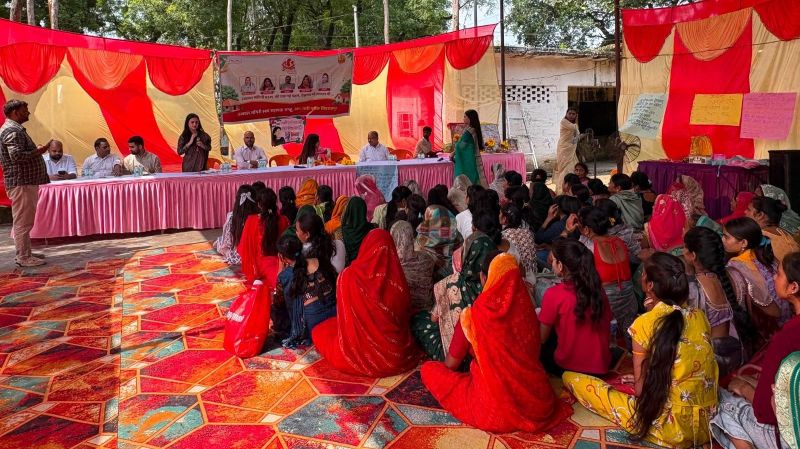
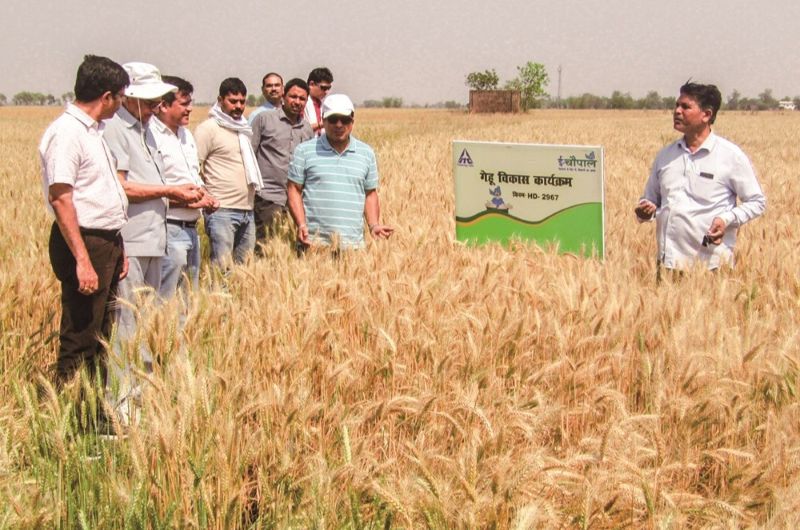
ITC has implemented FSA 3.0 standards across more than 22,000 acres in Uttar Pradesh and Bihar, engaging over 3,500 farmers through 70+ Farmer Producer Organisations (FPOs). The initiative is part of the company’s Crop Development Programme, which integrates sustainability, inclusivity, and traceability into agricultural value chains.
The programme focuses on improving both farm productivity and environmental outcomes. Farmers adopting these practices benefit from enhanced yields, better price realisation, and stronger access to global markets. Environmentally, the initiative promotes efficient use of resources such as water, fuel, and fertilisers, contributing to improved soil health and reduced emissions.
Mr. S Ganesh Kumar, Divisional Chief Executive, Agri Business, ITC Ltd, said, “ITC is deeply committed to empowering farmers by providing them with the knowledge, tools and support needed to adopt globally benchmarked sustainable practices. By promoting cultivation of traceable, high-quality agri produce, we are linking Indian farmers to global markets, addressing needs of international buyers and ensuring higher farmer incomes. Our continued focus on building resilient, farmer-centric value chains demonstrates that sustainability and business competitiveness can go hand in hand, creating long-term benefits for communities and the environment, while strengthening the country’s agri-export competitiveness.”
To meet FSA 3.0 requirements, ITC implemented a structured approach covering training, advisory, monitoring, and sourcing. Around 30 formal policies were developed across areas such as soil and nutrient management, water use, biodiversity conservation, emissions control, and farm management.
The initiative also integrates advanced agricultural practices including direct seeded rice, zero tillage, micro-irrigation, drone spraying, and climate-resilient crop varieties. Digital tools, including ITCMAARS, enable geo-fencing of farms and ensure end-to-end traceability across the value chain.
Through these efforts, ITC continues to strengthen sustainable agriculture practices while enhancing global market access for Indian farmers, reinforcing the link between responsible sourcing and long-term competitiveness.