
HungerBox Invests ₹3.5 Crore to Enable Electric Cooking Shift Amid LPG Supply Disruptions
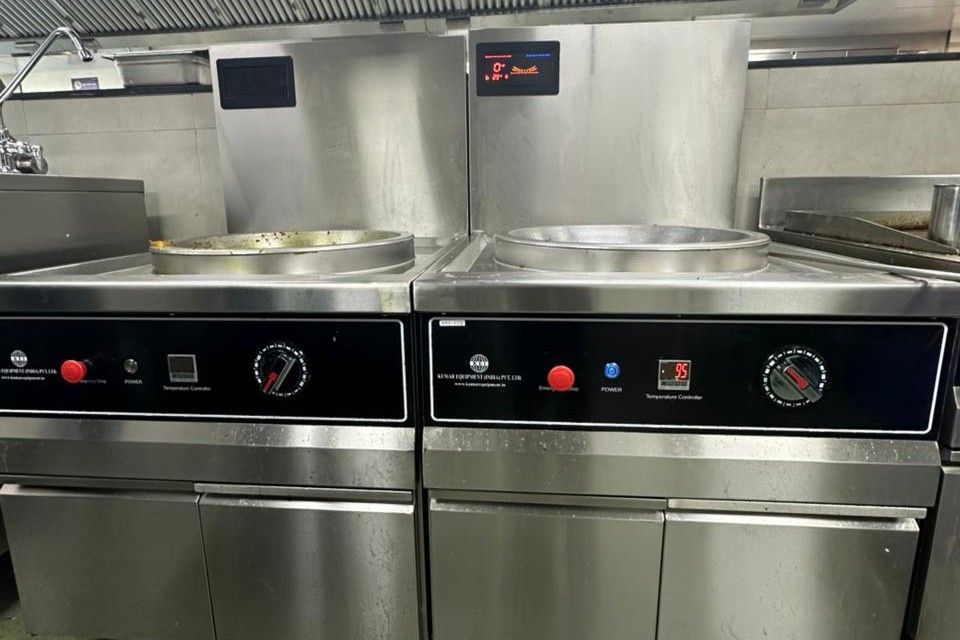
New Delhi, March 25, 2026: HungerBox, an institutional foodtech platform, has announced an investment of over ₹3.5 crore to support the transition of commercial kitchens from LPG-based systems to electric cooking infrastructure, amid ongoing supply disruptions affecting the sector.
The move comes as more than 70% of institutional kitchens in India rely on LPG, with the country importing over 60% of its requirement. Recent supply constraints have begun to impact daily kitchen operations, resulting in reduced output, limited menus, and operational uncertainty for food businesses.
In response, HungerBox is enabling its partner ecosystem to shift towards alternative energy solutions, including induction-based cooking systems and other electrical infrastructure. The initiative is aimed at ensuring business continuity while reducing dependence on a single fuel source.
The company noted that the disruption has highlighted structural vulnerabilities in the current energy model for institutional kitchens, particularly its reliance on external supply chains influenced by geopolitical factors. The shift to electric cooking is positioned as a long-term solution to improve operational resilience and scalability.
Uttam Kumar, Co-founder, HungerBox, said, “Every large system reveals its fault lines during moments of stress, and what we are witnessing today is a clear signal that the current energy model for institutional kitchens has reached its limits. Dependence on LPG has served the industry well, but it was always exposed to variables beyond operational control. The present disruption is forcing a necessary correction. HungerBox chose to act early because continuity in food services is not negotiable, especially in environments that depend on scale and consistency every single day. Our investment in electrical infrastructure is not a temporary adjustment. It reflects a long-term view on how kitchens will evolve, where energy choices are deliberate, diversified, and aligned with reliability. The industry now has an opportunity to build a more resilient foundation, one that is less reactive and far more self-sustained.”
The company’s approach combines financial support with infrastructure deployment, allowing partner kitchens to adopt new systems without disrupting operations. The transition also aligns with broader industry trends toward diversified energy use, with electricity—potentially supported by renewable sources such as solar—emerging as a viable alternative for large-scale food operations.
HungerBox stated that it will continue working closely with partners to facilitate this transition, contributing to the development of a more resilient and future-ready institutional food ecosystem in India.