From Argentina to India: MATE Foundation’s Vision for Community-Centric Football Development
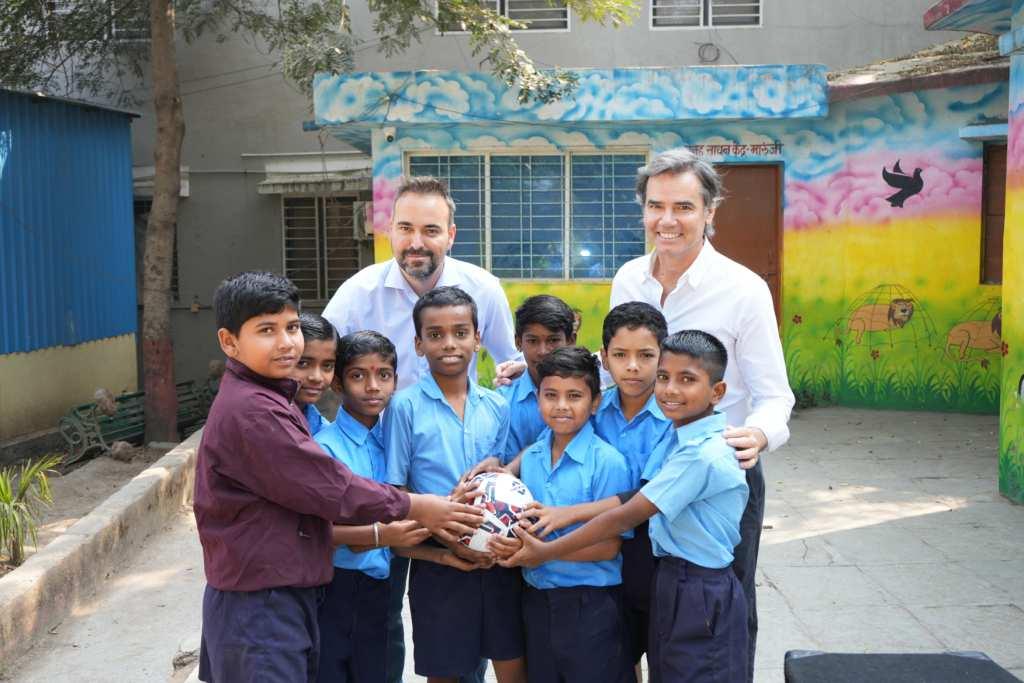
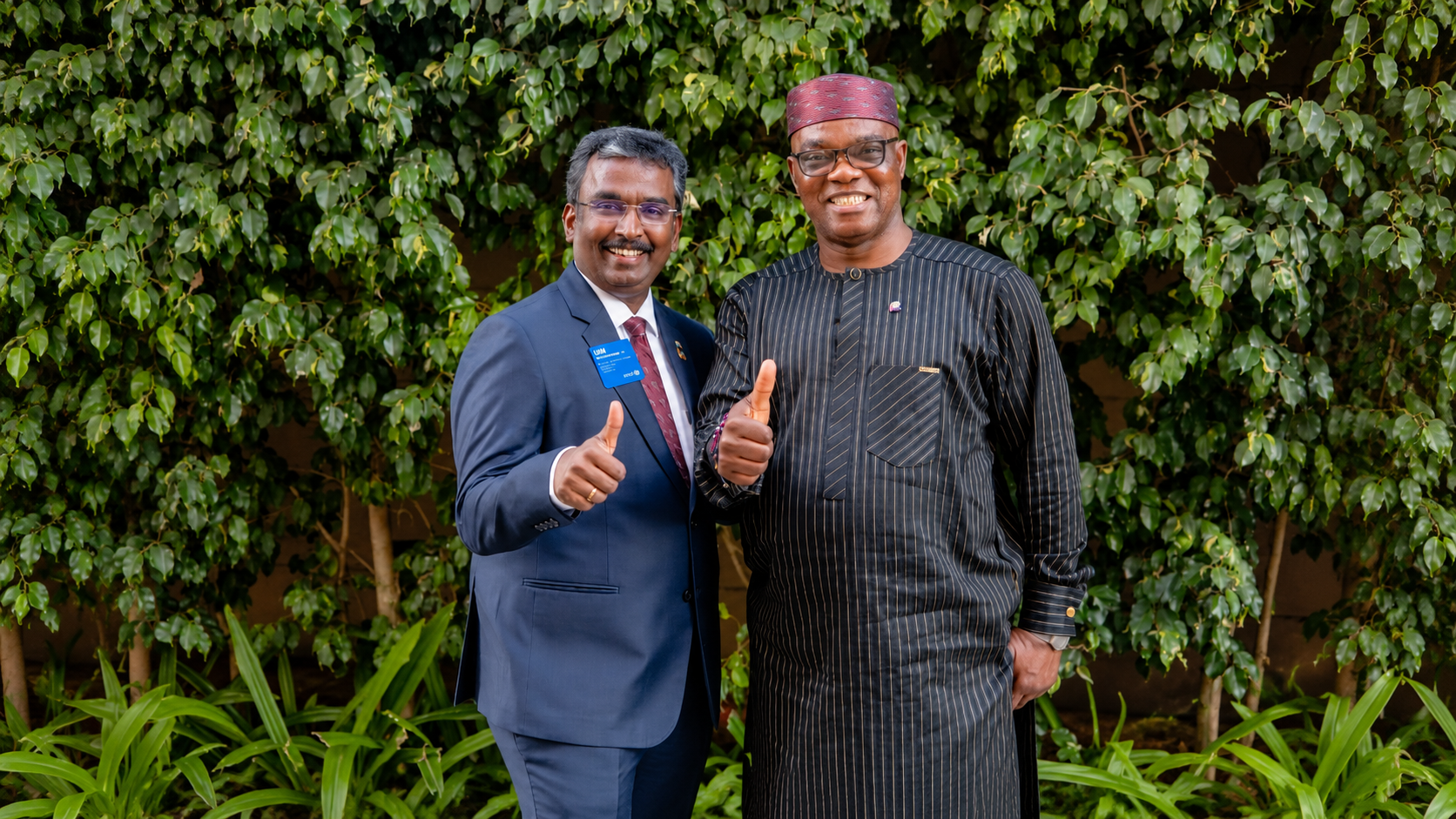
The MATE Foundation’s foray into India marks an ambitious chapter in its mission to use football as a force for social transformation. Rooted in Argentina’s rich sporting heritage, the organisation is now turning its attention to communities across India, beginning with Pune. In this conversation with Founders Matías Gainza Eurnekian and Cristian Calandria, we explore the values, motivations, and long-term vision behind bringing their inclusive football development model to one of the world’s most dynamic youth populations.
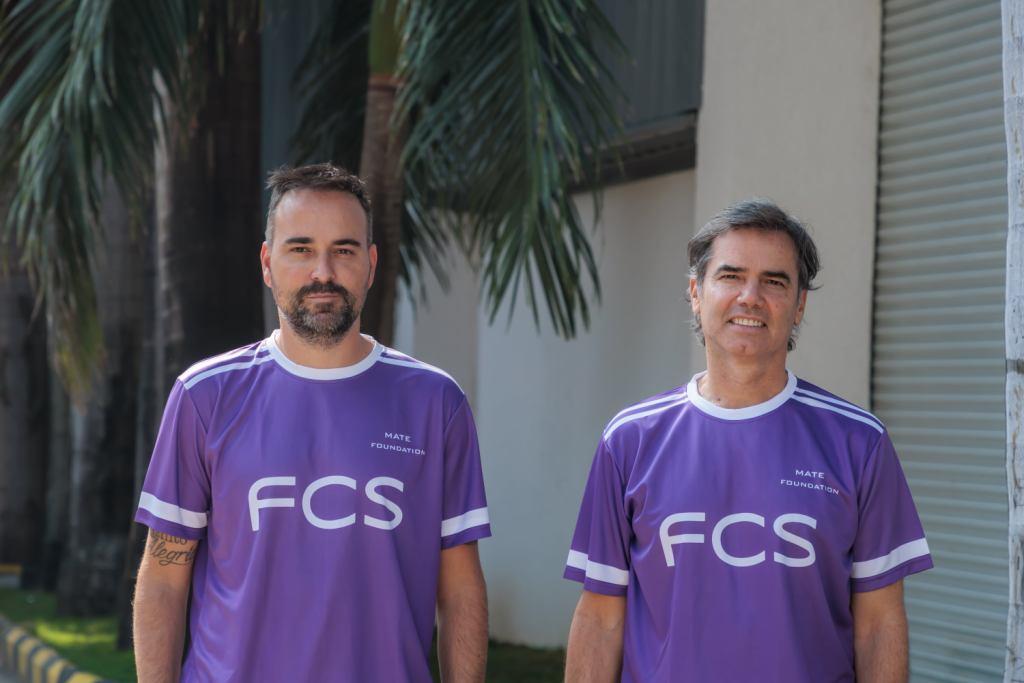 From designing community-centric programs to ensuring access for vulnerable groups, the founders share how MATE aims to build a sustainable ecosystem that nurtures both athletic talent and essential life skills. Their responses reveal not only a deep commitment to equal opportunity but also a thoughtful approach to collaboration, capacity building, and impact measurement. This interview sheds light on how the foundation intends to empower children, strengthen communities, and ultimately create a global network of safe, inspiring spaces through the universal language of sport.
Read the full interview below:
Q. What inspired you to expand the model to India, and why did you choose Pune as the first location?
A. MATE originated from Argentina’s strong football culture and our belief in sport’s transformative power. We recognize that operating in any region requires engaging with and creating value for local communities. In India, we identified shared values such as passion, resilience, community, and youth potential. Pune was selected as our starting point because it hosts our first manufacturing plant in India, and the local community demonstrated openness to inclusion and development initiatives.
Q. How do you ensure that the program benefits both sports talent and children’s life skills?
A. Our model integrates technical football training with personal development. Each session combines sports fundamentals with values like teamwork, resilience, and consistency. We aim to develop both skilled players and confident young people with healthy habits that benefit their daily lives.
Q. How do you guarantee inclusion and equal access for vulnerable communities?
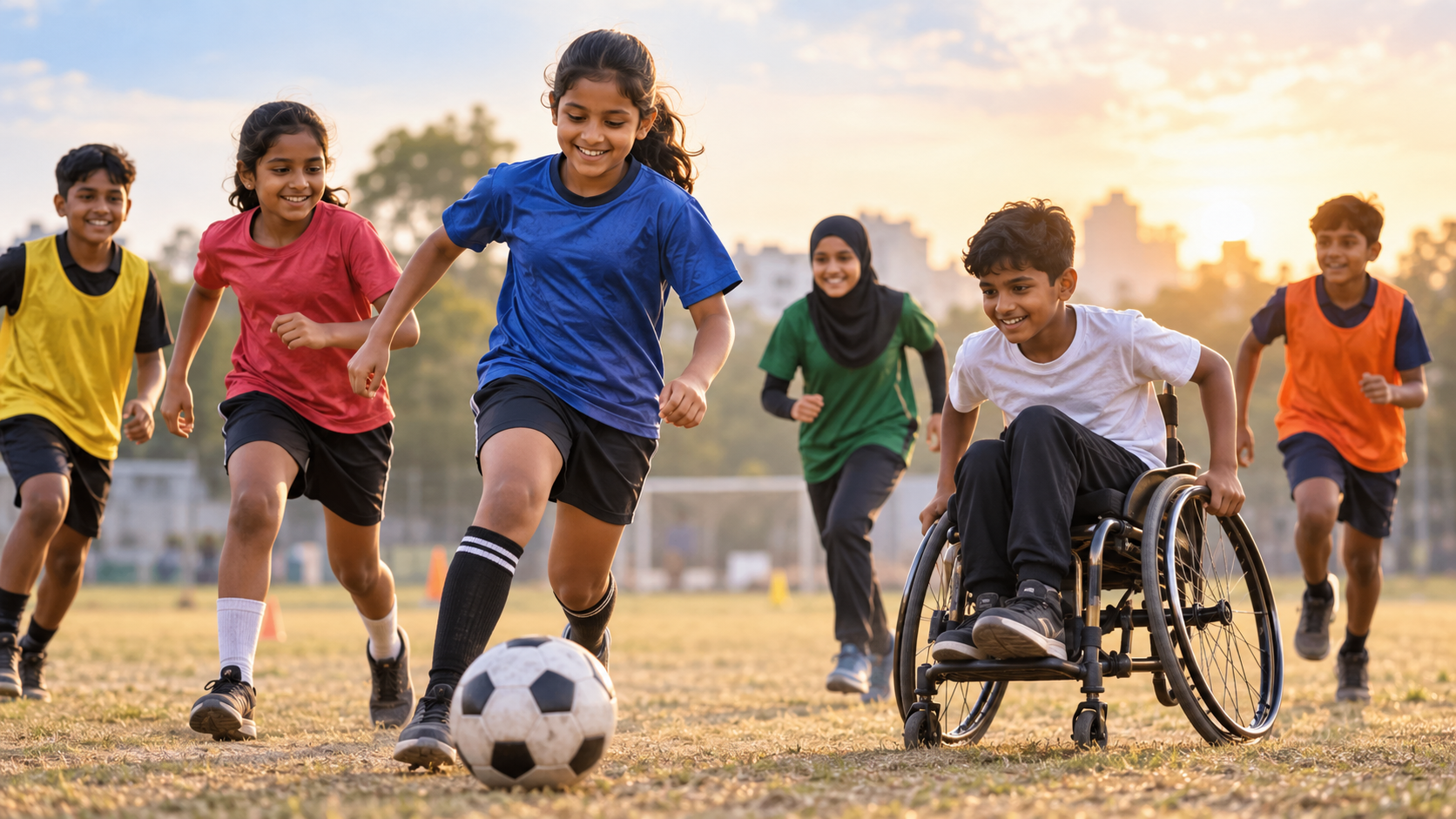
A. Our programs are free and delivered in public schools and communities with limited access to sports. We adjust schedules, equipment, and content to remove barriers, ensuring every child has the opportunity to explore and develop their potential.
Q. How will you collaborate with schools and local coaches to build a sustainable ecosystem?
A. We co-design programs with schools, teachers, and coaches. We train local coaches in technique, values, and emotional support to build capacity and ensure program continuity. Federal Card Services, as the program's main sponsor, contributes not only financial support but also management expertise, organizational structure, and operational capabilities to sustain and scale the model. Our goal is to strengthen existing structures and create an ecosystem that evolves autonomously and sustainably.
Q. What support will you offer beyond basic training?
A. We are building a network of mentors and coaches. Our program also includes leadership training, healthy habits, and socio-emotional skills to support long-term development within and beyond sport.
Q. What metrics will you use to measure sports and community impact?
A. We define success as sport improving the lives of children and their communities. We use a comprehensive framework aligned with SDGs.
- For sports impact, we assess: attendance, retention, technical progress, and physical development.
- For social impact: school participation, integration in mixed-gender groups, and emotional well-being.
- For community impact: family involvement and institutional collaboration.
Q. How will you promote girls’ participation and ensure safe spaces?
A. Gender equality is a core commitment for us. We ensure balanced participation, offer mixed and dedicated sessions for girls, and include female coaches. Our aim is for every girl to experience football as a safe, empowering, and transformative space.
Q. Will you offer comprehensive support for health, nutrition, and emotional well-being?
A. Yes. In Stage 2, we will add wellness workshops, nutrition education, socio-emotional support, and coordination with preventive health services. We recognize that sport requires an ecosystem that addresses children’s needs.
Q. What support do you expect from corporate partners or institutions?
A. We seek partnerships with companies and organizations committed to inclusion, education, and well-being. We also plan to collaborate with local authorities on infrastructure and community coordination.
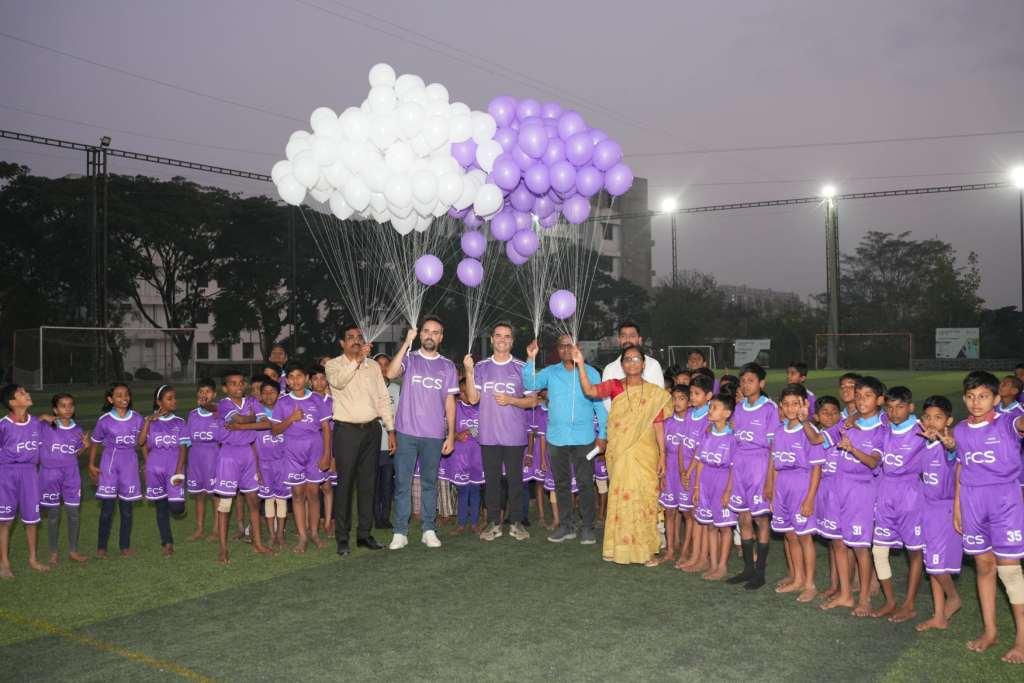 Q. What is your long-term vision in India?
A. Our vision is to expand the MATE Foundation model to 20 schools in Pune and replicate it in Argentine communities, creating a network of academies that serve as safe spaces for learning, sport, and social mobility. As we establish the program in Pune, we plan to expand to other regions of India and eventually worldwide. Our goal is to become a global catalyst for youth opportunities through football and ultimately build the world’s largest network of community football academies.


.png)