
Dr. Krithi K. Karanth Named 2026 Rolex National Geographic Explorer of the Year
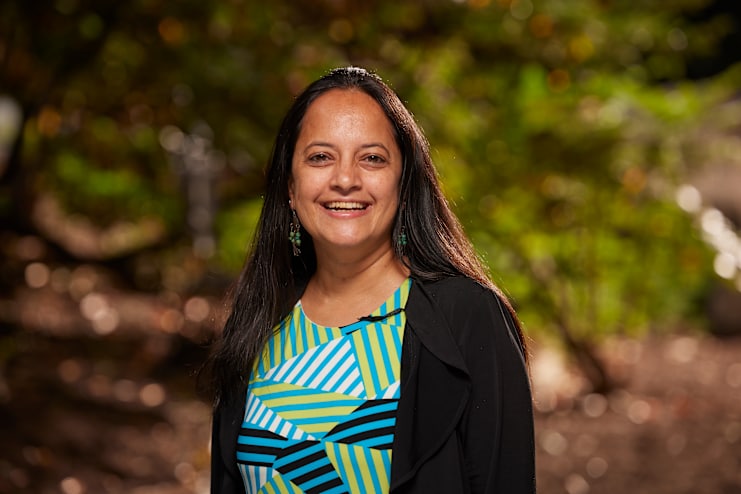
New Delhi, May 07, 2026: Dr. Krithi K. Karanth, CEO of the Centre for Wildlife Studies, has been named the 2026 Rolex National Geographic Explorer of the Year. The recognition, presented by the National Geographic Society in collaboration with Rolex, is among the most prominent honours in the fields of exploration and conservation.
Dr. Karanth is the first South Asian recipient of the award and joins a global group of 15 individuals and two teams recognised since its inception in 2011. The award will be formally presented at the National Geographic Society’s annual Explorers Festival in June 2026 in Washington, D.C.
The award recognises individuals whose work advances discovery and contributes to environmental and societal impact. Previous recipients include Bertie Gregory and Popi Borboroglu (2025), Paula Kahumbu (2021), Joel Sartore (2018), and James Cameron (2013).
Jill Tiefenthaler, CEO of the National Geographic Society, said, "Krithi embodies the very best of what it means to be a National Geographic Explorer. Through her leadership at CWS and her multiple ambitious conservation programs Wild Shaale, Wild Seve and Wild Surakshe, she's sparked a movement of hope among communities and thousands of young people in India and globally. By combining science, education, and community partnership, Krithi has reshaped and improved the relationship between people and wildlife in ways that are visionary, collaborative, and profoundly optimistic. Honoring Krithi as the 2026 Rolex National Geographic Explorer of the Year recognizes a leader who is helping redefine conservation in the 21st century."
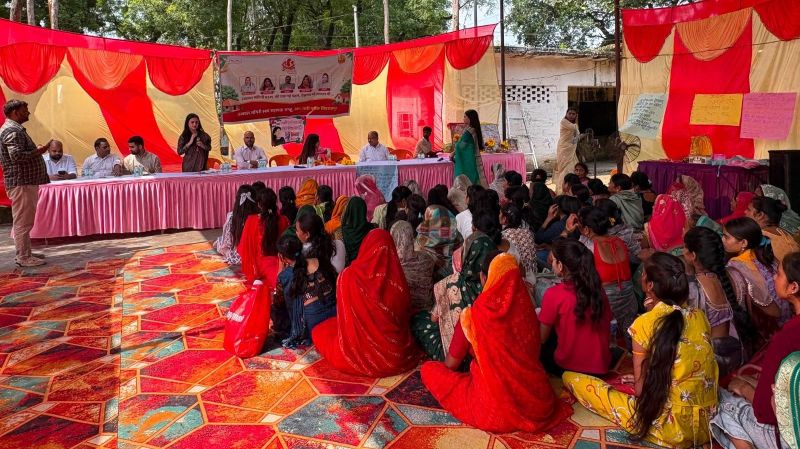
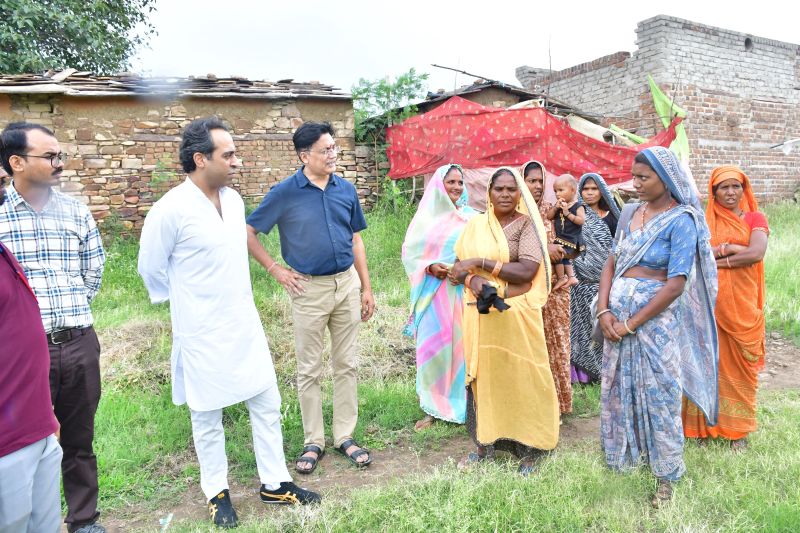
Dr. Karanth’s work over nearly three decades has focused on understanding human-wildlife interactions and developing community-based conservation approaches. Through programmes such as Wild Seve, Wild Shaale, Wild Surakshe, and Wild Carbon, the Centre for Wildlife Studies has worked with communities living near wildlife habitats across India to support coexistence and strengthen conservation outcomes.
Her contributions include authoring over 100 scientific papers, mentoring more than 300 researchers globally, and engaging over 1,000 citizen science volunteers in conservation initiatives. Her work integrates scientific research with field-based implementation, involving collaboration between communities, researchers, and institutions.
The recognition also reflects the broader efforts of the Centre for Wildlife Studies and its partners working towards conservation and sustainable coexistence in India.