
Civil Society Groups Oppose Transgender Amendment Bill 2026, Seek Withdrawal
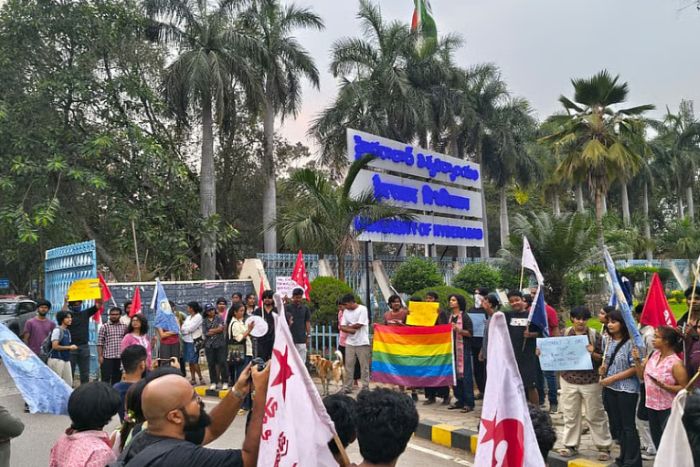
New Delhi, March 19, 2026: Civil society groups and members of the transgender and queer community have called for the withdrawal of the Transgender Persons (Protection of Rights) Amendment Bill, 2026, raising concerns over its implications on rights, identity, and legal protections.
The Bill was introduced in the Lok Sabha on March 13, 2026, by Union Minister for Social Justice and Empowerment, Dr. Virendra Kumar, seeking amendments to the Transgender Persons (Protection of Rights) Act, 2019.
According to the statement issued by concerned groups, the proposed amendments redefine the scope of who can be recognised as a transgender person. The draft Bill reportedly merges intersex and transgender identities into a single category and limits recognition to specific socio-cultural identities such as Hijra, Kinnar, Aravani, or Jogti.
The statement also raises concerns that the Bill restricts the principle of self-identification of gender, which was recognised by the Supreme Court in its 2014 judgement in NALSA v. Union of India. The judgement had affirmed the right to self-determination of gender identity and recognised transgender persons as a distinct legal category.
The groups allege that the proposed amendments shift the legal framework towards greater scrutiny, including the involvement of medical boards and administrative authorities in determining gender identity. They argue that this may raise privacy concerns and limit individual autonomy.
Further concerns have been expressed over proposed changes to Section 18 of the Act, which introduce stricter penalties for offences related to coercion. The statement suggests that the language used in the Bill is broad and could lead to misinterpretation or misuse.
In a joint statement, the groups said, “The proposed amendments violate the Supreme Court’s 2014 Judgement in NALSA v Union of India, which protects the right to self-determination of gender identity and the bill implies that a trans identity can only be a result of ‘mutilation’, or coercion, or intersex variations.”
The statement also noted, “The Transgender Persons (Protection of Rights) Amendment Bill, 2026, does not merely amend a statute, it lays down an existential threat to our hard-won dignity, reinstates colonial-era stigma, and turns the State against the very people it was solemnly pledged to protect.”
The signatories have urged the government to withdraw the Bill and called for wider consultations with the transgender community and relevant stakeholders before introducing any changes to the existing law.