
CBM India Initiative Brings Clean Energy, Safe Water and STEM Labs to Rural Communities
Karnataka, April 27, 2026: CBM India Trust has implemented a multi-sector community development initiative across Tamil Nadu, Madhya Pradesh, and Karnataka, focusing on clean energy, safe drinking water, and education access for underserved communities.
Supported by a corporate CSR programme, the initiative addresses key development challenges in rural and indigenous regions by improving access to essential services and infrastructure.
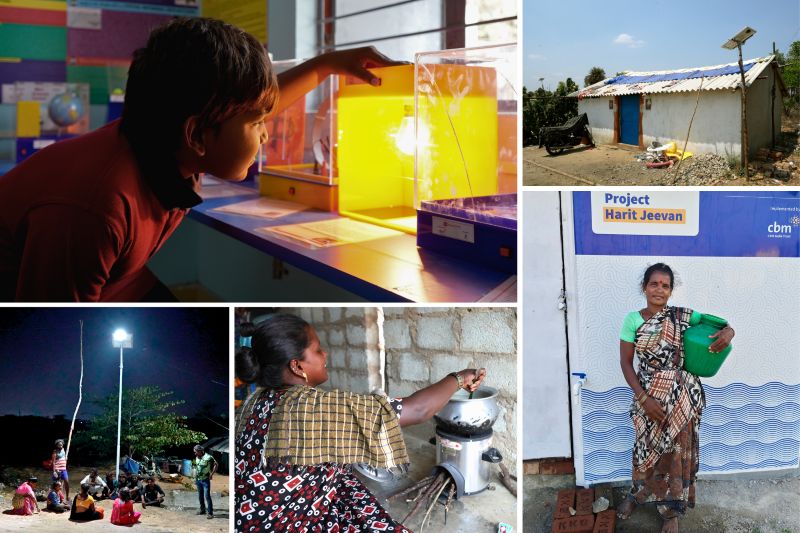
As part of the programme, over 560 improved cookstoves have been distributed in Tiruvallur and Arakkonam blocks of Tamil Nadu. These cookstoves are designed to reduce indoor air pollution and improve fuel efficiency, benefiting households—especially women and children—by lowering exposure to harmful smoke and reducing dependence on firewood.
To improve energy access, 100 solar-powered household lighting systems have been installed in remote areas, enabling reliable electricity for daily use. Additionally, 10 solar streetlights have been set up to enhance safety and support community activities after dark.
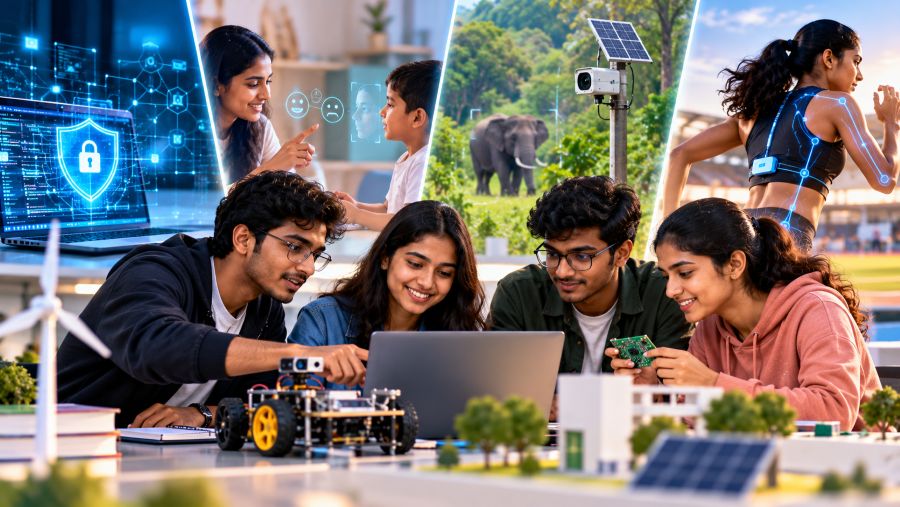
The initiative also focuses on education, with eight STEM labs established in government schools across the three states. These labs promote hands-on learning in science and technology, particularly encouraging participation among girls and students from marginalised communities. The effort aims to strengthen foundational learning and expose students to future career pathways.
In the area of water access, four water ATMs have been installed in villages across Tamil Nadu and Madhya Pradesh. These provide safe drinking water at accessible locations, reducing dependence on unsafe sources and helping lower the risk of waterborne diseases while saving time for households.
Commenting on the initiative, Sony Thomas, Executive Director, CBM India Trust, said, “Sustainability was at the heart of how we designed this program. We chose to work with government schools, public infrastructure, existing community spaces, instead of building parallel systems. If this program ends tomorrow, the STEM labs are still in those schools, the solar lights are still powering homes, and the water ATMs still serve those villages.”
By integrating clean energy, education, and water access interventions, the initiative aims to create long-term improvements in health, safety, and livelihoods, contributing to more resilient rural communities.