Accessibility Is Not Charity: Sminu Jindal on Dignity, Growth and India’s Development Future
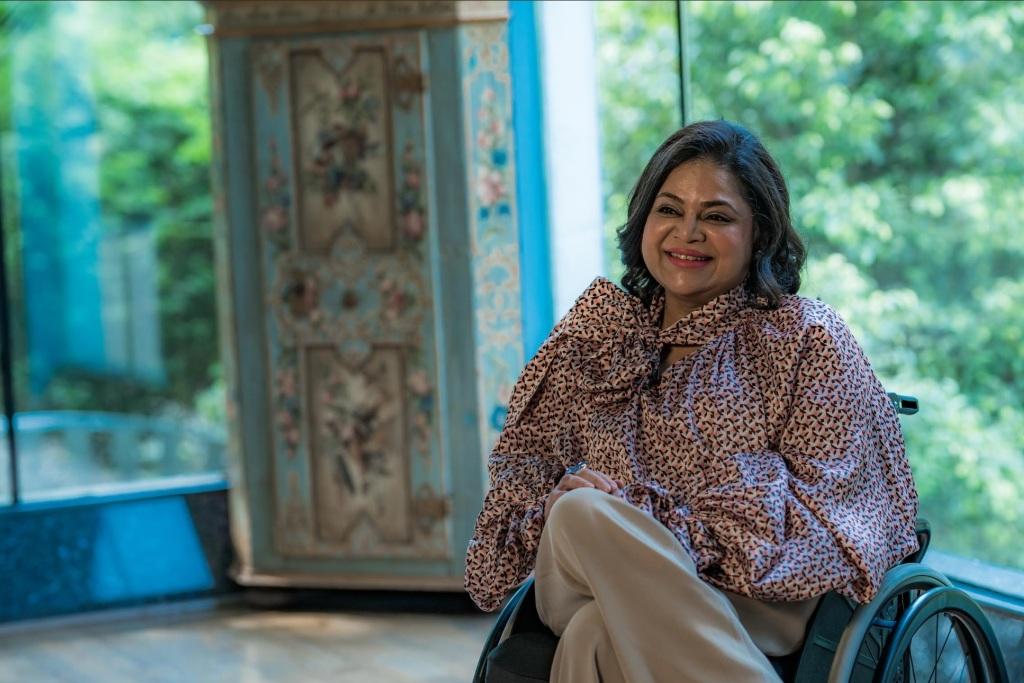
Accessibility rarely makes headlines until it is absent. A broken ramp, an unusable toilet, an inaccessible website are often dismissed as minor oversights. Yet for millions of Indians, such gaps quietly determine whether they can travel, work, learn, or participate in public life. Accessibility, in this sense, is not a side issue. It shapes who is visible, mobile, and included in the country’s development story.
For 25 years, Svayam has worked within this blind spot of India’s growth narrative. Long before accessibility entered policy frameworks or infrastructure mandates, the organisation questioned why inclusion was treated as an afterthought rather than a prerequisite. Under the leadership of Ms. Sminu Jindal, Svayam has helped reframe accessibility from a welfare concern to one of dignity, independence, and economic participation, supported by sustained policy engagement and large-scale implementation across sectors.
This perspective informs the conversation that follows. In this interview, Ms. Sminu Jindal, Founder-Chairperson of Svayam and Managing Director of Jindal SAW Ltd., reflects on the evolution of India’s accessibility landscape. She discusses where the country stands today, why the gap between policy and practice persists, and what it will take to embed accessibility into infrastructure, events, digital platforms, and public services from the outset. The interview also highlights Svayam’s work across sanitation, heritage tourism, sports, and transport, and examines why accessibility is increasingly being recognised as central to India’s development ambitions as it moves toward Viksit Bharat 2047.
Read the full conversation below.
Q&A
Q. Svayam marks 25 years of championing accessibility. What first inspired you to start this journey, and how has your vision for inclusive environments evolved over time?
A. When I founded Svayam in October 2000, the idea was simple but urgent, people with reduced mobility deserve the same freedom to move, travel, work and participate in life as anyone else. Accessibility, to me, is never charity; it is all about investment for dignity and independence. Over time, the vision has grown. What began as a fight for equal access is now backed by evidence that accessibility is a national economic multiplier. India is losing nearly a trillion dollars in GDP because businesses and infrastructure remain inaccessible, and that shift in understanding from welfare to economic imperative, is what is driving the next phase of our advocacy.
Q. After two and a half decades of advocacy, where do you think India stands today on accessibility? What are the biggest barriers that still keep people with reduced mobility from full participation in public life?
A. India has made meaningful progress in the last 25 years, with strong legislation and guidelines, including the Rights of Persons with Disabilities Act and the Harmonised Guidelines for Universal Accessibility. But the gap between policy and implementation persists. Accessibility is still concentrated in metros, while Tier 2 and Tier 3 regions remain underserved, whereas rural India is completely ignored, where 70% of India’s population lives. The biggest challenges in public life are weak implementation, non-adherence to universal design and monitoring, absence of a centralized accessibility audit database, poor last-mile and multimodal access, inaccessible digital platforms, lack of sensitisation among service providers, and limited maintenance of accessibility features after installation.
Q. Over the years, Svayam has influenced accessibility across transport hubs, heritage sites, and public spaces. Could you share one or two initiatives that best reflect the change Svayam has helped bring about on the ground?
A. Recognising the need for accessible infrastructure in India, Svayam has driven substantial impact with initiatives such as the Accessible Family Toilet Project and its work at Qutab Minar, reflecting its broader mission to make public and heritage spaces inclusive.
The Accessible Family Toilet Project, launched in 2019 across 14 states and 138 districts, addressed sanitation access for over 1.5 crore individuals with reduced mobility in rural India. Through over 24,500 Self Help Groups and other grassroots organizations, the project raised awareness about accessible toilets, trained over 1,554 local plumbers, and enabled more than 1,008 families to successfully avail loans totaling nearly INR 3 crore to build accessible toilets. This initiative notably supported comfort and dignity for elderly and family members with reduced mobility, with 64% building accessible toilets for elders and 26% for family members with disabilities. The project has expanded with the help of 14 microfinance institutions to additional states, transforming sanitation access and quality of life for many people in rural areas.
With respect to Qutab Minar, Svayam conducted accessibility audits and interventions at this and other heritage sites, contributing to their transformation into accessible tourist destinations. By collaborating with the Archaeological Survey of India and other stakeholders, Svayam ensured that people with reduced mobility could experience cultural landmarks like Qutab Minar, Red Fort, Taj Mahal, and Fatehpur Sikri. This work supports economic impact by enabling accessible tourism, thus opening the door for greater participation and inclusive livelihood opportunities around such heritage hubs.
Q. The recently concluded National Summit on Accessibility brought together government, business, and civil society to deliberate on inclusion. From your experience, what kind of collaboration models work best to turn accessibility into a shared national agenda?
A. The best way to collaboratively turn accessibility into a shared national agenda is one of shared ownership where government, business, and civil society each take responsibility for their role in creating an inclusive ecosystem, rather than passing the responsibility to others. This works effectively when accessibility is understood not as mere compliance or welfare but as a strategic contributor to national growth, including GDP, tourism development, productivity gains, and global competitiveness; and the National Summit on Accessibility 2025 demonstrated this wonderfully, showcasing how stakeholders naturally come together when accessibility is framed as an economic imperative and growth driver. Ignoring accessibility results in leaving significant economic value and untapped opportunities, emphasizing the need for unified action and accountability across sectors to realize inclusive development as part of India's Viksit Bharat 2047 vision.
Q. From digital platforms to universal design, how is Svayam integrating innovation and technology into its work? Are there any new solutions or pilots you are particularly excited about?
A. Innovation and technology are becoming central to the next phase of accessibility work. The global digital economy loses billions each year due to inaccessible platforms, which underscores how essential inclusive design and accessible ICT have become. New tools, pilots, and technology-driven models like digital accessibility assessments, assistive tech integrations, and user-centered design solutions can help mainstream accessibility across sectors. Such emerging innovations hold significant potential, and we look forward to the possibilities they offer for improving inclusion at scale.
Q. Svayam has long engaged with policymakers to make accessibility a right, not a retrofit. What have been some of your key wins on the policy front, and what gaps still need urgent attention?
A. Policy reform has been one of our strongest levers. Over the years Svayam has helped shape India’s accessibility architecture so it aligns with the UNCRPD, pushed for mandatory accessibility in hotel classification, and strengthened accessibility requirements at heritage sites, while driving national attention on inclusion across transport, tourism, sports and digital services. What this really means is that accessibility is no longer only a moral ask; it’s part of the policy conversation.
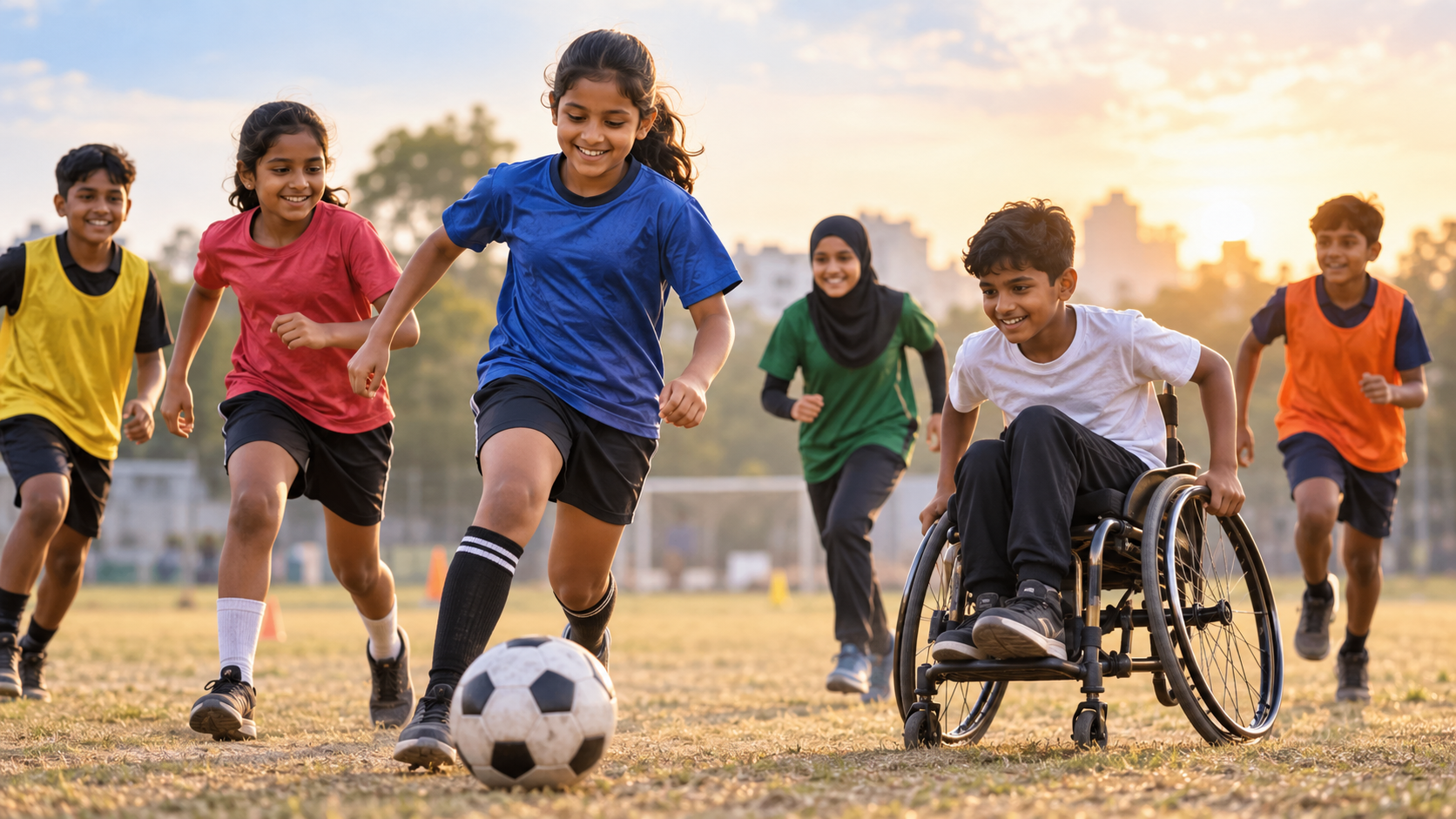
We are committed to making sports accessible at the grassroots level as part of which we’ve stood with para players, various sporting bodies and governing authorities for years through continuous interventions and sustained operational support including access audits, accessible transportation, and event logistics among others. That work was integral at the Khelo India Para Games (including the 2023 edition in New Delhi), where Svayam delivered accessible infrastructure and transport for athletes and officials.
We’ve also been active at marquee international moments. Svayam supported the Indian contingent at the Tokyo Paralympics 2021 and played an accessibility role when India hosted the World Para Athletics Grand Prix, providing transport, audits and event accessibility for visiting para-athletes. Those efforts helped India demonstrate that hosting world-class para events requires meticulous operational planning, not just goodwill.
Our partnership with the Differently Abled Cricket Council of India (DCCI) is a textbook example of long-term impact. We’ve backed their players, logistics and events as they progressed from grassroots gully cricket to playing on the global stage, including historic matches at Lord’s and international tours. That evolution shows how systemic support via funding, transport, training and recognition converts raw talent into visible achievement.
Beyond bricks and ramps, we invest in people. Svayam consistently sensitises volunteers, event staff, officials and even law-enforcement personnel like the Delhi Police so the entire ecosystem understands accessibility, how to communicate, assist and manage crowds with dignity.
Sensitisation changes behaviour at scale; when every stakeholder becomes aware of what accessibility looks like in practice, events can become genuinely inclusive for all.
All of this matters because policy without practice falls short. We’ve helped build the rules and we keep showing how to implement them at scale. The urgent gaps are familiar: consistent enforcement, capacity building across smaller towns and venues, and routine inclusion of accessibility in event planning budgets. This is where Svayam continues to focus, turning policy into everyday reality so access becomes the default, not the exception.
Q. Mindset change is as important as infrastructure change. How has Svayam approached public and corporate sensitisation, and what impact have you seen in how accessibility is now being perceived?
A. Svayam approaches public and corporate sensitization through a comprehensive mix of awareness campaigns, advocacy, training, and partnerships. From social media contests to public events that engage diverse audiences, we aim to normalize dignity for people with reduced mobility and promote understanding that accessibility benefits everyone, not just a marginalized group.
Svayam collaborates with educational institutions, government bodies, NGOs, and corporations to sensitize young minds, policymakers, and stakeholders about the importance of inclusive environments and also conducts sensitization programs for volunteers and officials in events like the Khelo India Para Games, further embedding accessibility awareness in public consciousness.
This has impacted in a significant mindset shift where accessibility is increasingly perceived as essential to inclusion, equal opportunity, dignity, and economic growth rather than a charitable or compliance burden. This change underpins better policy adoption, increased corporate responsibility, and public support for accessible infrastructure and services. As a result, Svayam’s multi-pronged, engaging approach has made accessibility a national talking point and priority.
Q. As India urbanises and prepares for large global events, what would you like the next 25 years of Svayam to stand for? How can organisations and citizens contribute to building a truly barrier-free India?
A. The next 25 years of Svayam must stand for embedding accessibility so deeply into India’s development model that it becomes impossible to think of progress without inclusion. Future infrastructure, physical and digital, must be planned accessible from day one rather than retrofitted later. Every organisation and every citizen has a role to play. Accessibility expands markets, improves productivity, fuels tourism and sports, and strengthens the workforce, so inclusion will accelerate India’s journey toward 2047.

.png)