
Women from Bengaluru’s Waste Picker Community Debut Upcycled Clothing Line at Christ University’s Navarasa
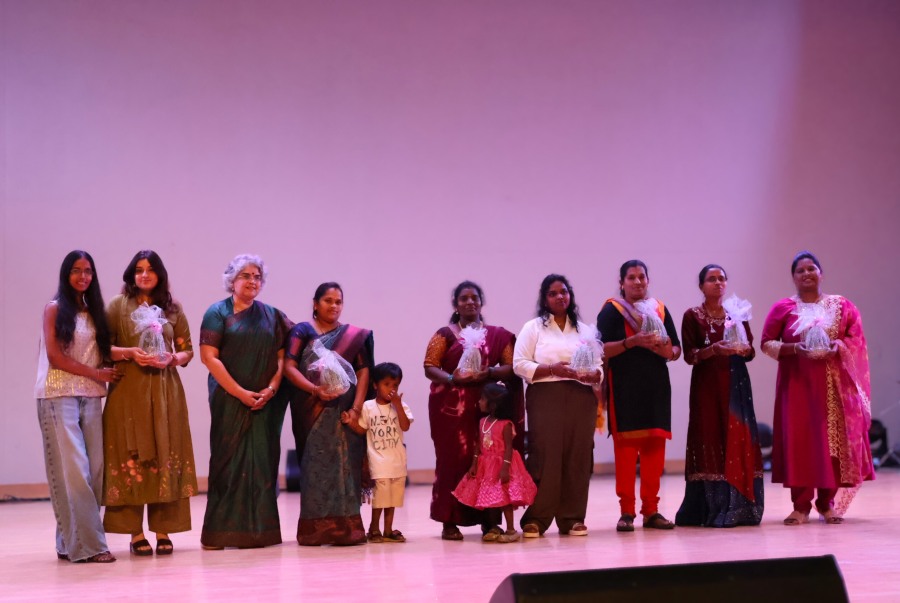
Bengaluru, February 20, 2026: Women from Bengaluru’s waste-picking communities showcased a fully upcycled clothing line at Christ University’s Liberal Arts Department annual production, Navarasa, marking a milestone in their transition from informal waste work to participation in the circular fashion value chain.
The initiative is part of Saamuhika Shakti, an H&M Foundation-initiated and funded multi-partner collaborative. Sambhav Foundation, one of ten implementing partners, worked closely with the community to enable the debut collection. The clothing line was conceptualised by designer Anurag Jain, Founder, Daryaa, and brought to life by women trained at Sambhav Foundation’s Livelihood Resource Centres (LRCs). While students from Christ University walked the runway in the collection, the artisans themselves closed the show.
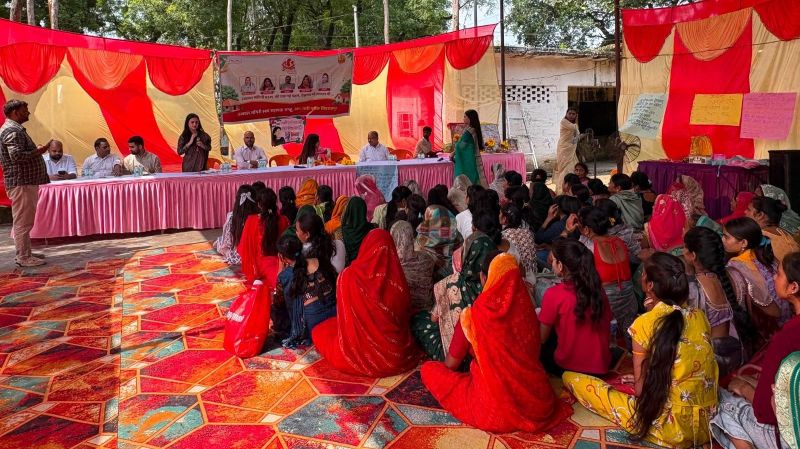
The showcase builds on a larger skilling programme under Saamuhika Shakti. Sambhav Foundation has mobilised over 2,000 individuals from waste picker households, with nearly 1,900 enrolled in structured skilling pathways across tailoring, beauty services, retail sales, and data entry operations. Around 81 percent of participants come directly from waste-picking backgrounds, with a majority being women. Within the tailoring vertical, candidates completed confirmed orders of more than 7,200 garments during a pilot phase, generating ₹6,01,371 in revenue.
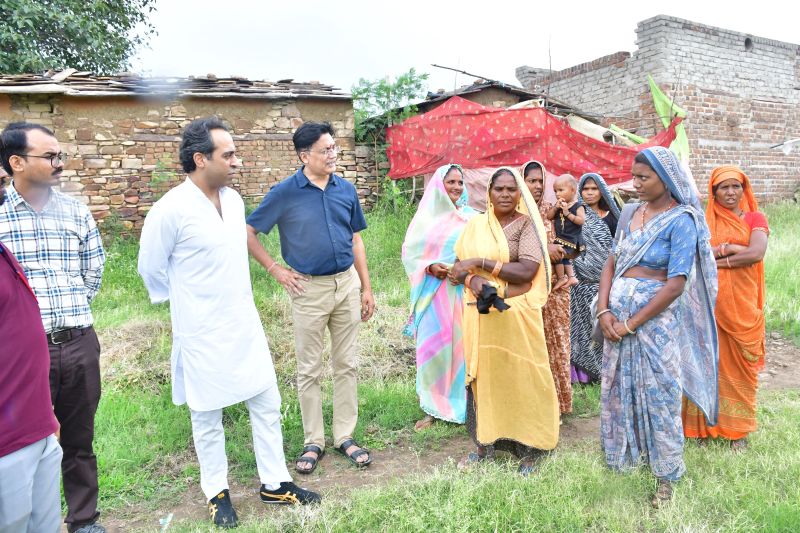
“For years, we have worked with the waste picking community in Bengaluru, and what we have observed is extraordinary resilience even when excluded from formal value chains. The barrier they faced has never been capability. It has been access, visibility, and market linkage,” said Gayathri Vasudevan, Chief Impact Officer, Sambhav Foundation. “Circularity must go beyond materials to include the people who are already part of these value chains. Our work under Saamuhika Shakti has focused on building structured pathways, be it skilling and collectivisation to enterprise infrastructure and buyer confidence, so that participation in the circular economy translates into sustained mobile income, not short-term inclusion,” she added.
Maria Bystedt, Program Director, H&M Foundation, added, “We are proud to see how the platform has matured over the years. It represents what becomes possible when skilling is not treated as a short-term intervention, but as part of a larger ecosystem that includes collectivisation, enterprise infrastructure, and buyer confidence. While the transformation has its economic side, it also reshaped the identity these individuals held. Today, they feel proud to be recognised as skilled producers contributing to a circular economy.”
The Navarasa collection drew inspiration from the nine rasas—Shringara, Hasya, Karuna, Raudra, Veera, Bhayanaka, Bibhatsa, Adbhuta, and Shanta—interpreted through silhouettes, textures, and reclaimed textiles. Each garment was crafted using discarded or surplus materials, reinforcing circular design principles.
Prerana Srimaal, Head - Liberal Arts, Christ University, said, “Navarasa is a curricular platform, not just a performance. It embodies our Curriculum-to-Community model by translating classroom learning into real-world engagement. Through this collaboration with Sambhav Foundation, sustainability and dignity of labour moved from theory to live practice. Universities must create spaces where inclusion is not discussed, but designed.”
The runway showcase represents a broader economic transition, demonstrating how structured skilling and market linkages can enable sustainable livelihoods within the circular economy.