The Intersection of Social Impact, Sustainability, and Business Strategy: Virtusa’s Integrated Approach to Long-Term Value Creation
As sustainability increasingly shapes corporate strategy, organizations are being challenged to demonstrate how business growth, environmental stewardship, and social responsibility come together to create long-term value. For technology-led companies, this integration is about how digital capability, capital and governance are leveraged to deliver measurable outcomes for businesses and society at large.
Virtusa’s approach reflects this layered thinking. Its social initiatives are guided by the 3E framework- Education, Environment, and Empowerment- through which the company supports education infrastructure, digital access, ecological restoration, and community well-being. Parallelly, their sustainability framework focuses on embedding environmental, governance, and risk management principles into core business operations, supported by global certifications, structured oversight, and clear accountability.
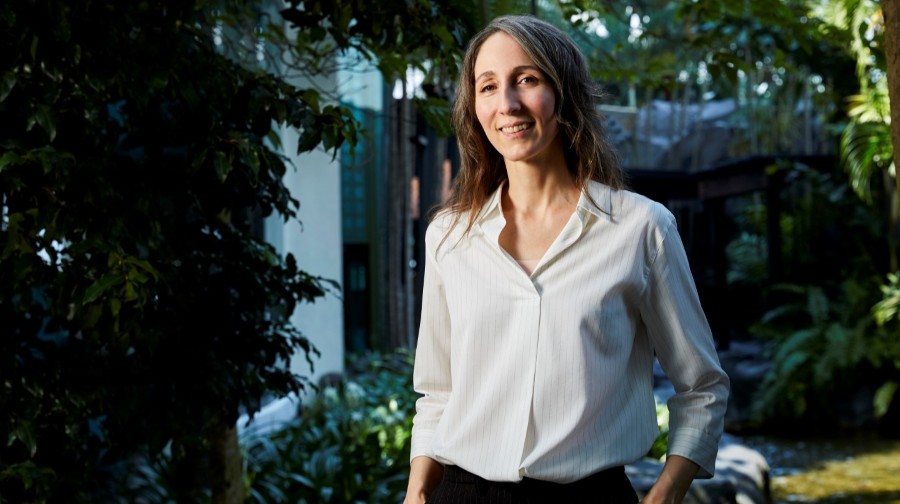
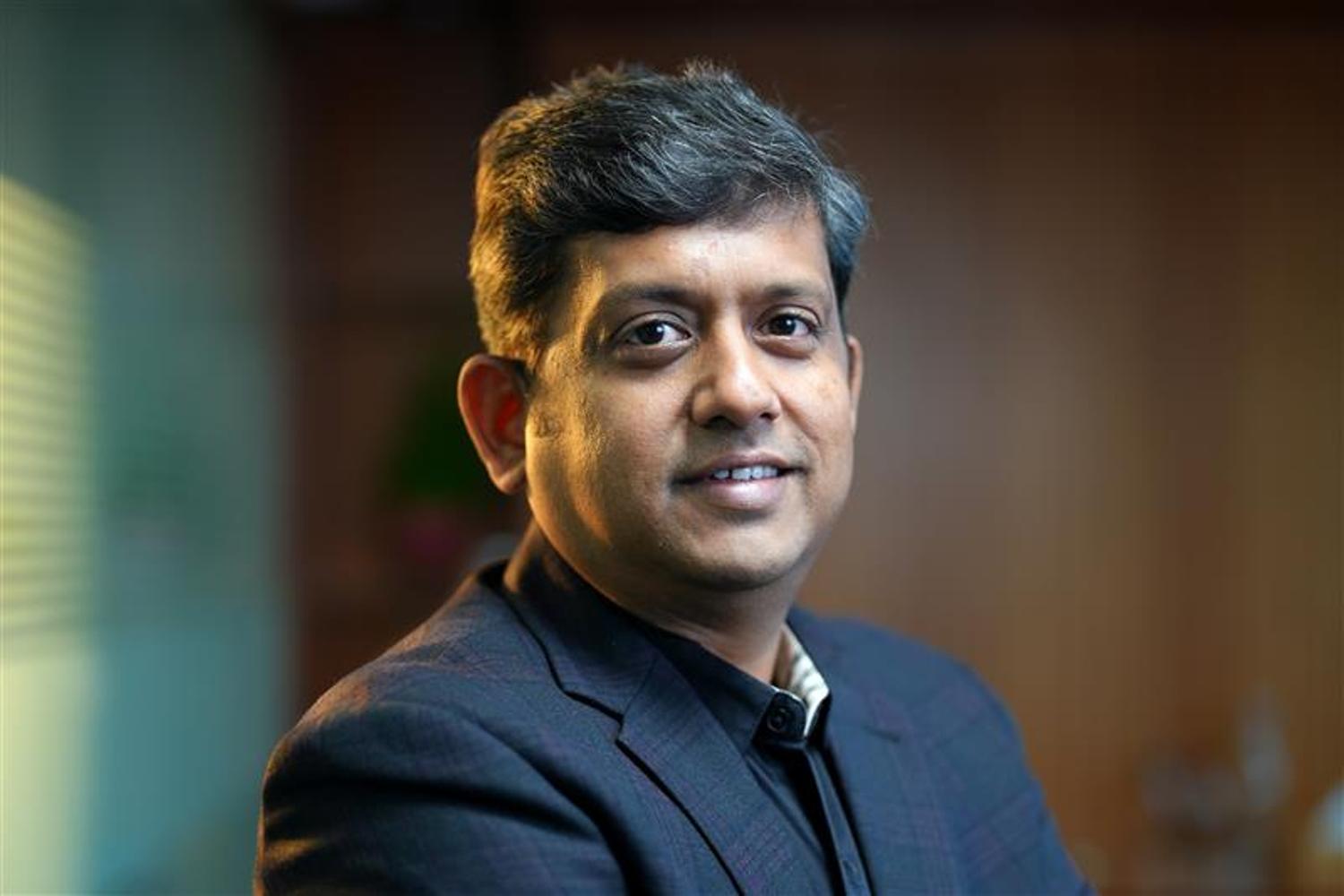
In this interview with TheCSRUniverse, Mr. Amit Bajoria, Chief Financial Officer, Virtusa, brings together these interconnected dimensions. He speaks about the intent and impact of Virtusa’s social initiatives, the company’s sustainability roadmap covering renewable energy and net-zero ambitions, and the financial models and investments enabling these transitions. The conversation also explores governance mechanisms, leadership accountability, and the role of technology in advancing sustainability- offering a holistic view of how Virtusa aligns purpose, performance, and long-term value creation.
Scroll down for the full interview:
Q. Virtusa’s CSR strategy is anchored in the 3Es- Education, Environment, and Empowerment. How do you ensure this framework aligns with your core business objectives and long-term Sustainability vision?
A. At Virtusa, the 3E framework - Education, Environment, and Empowerment, mirrors the same principles we follow to deliver value in our core business: building scalable, sustainable, and inclusive solutions. This framework is central to how we engage with communities and ecosystems around us. Each initiative under the 3Es is chosen with long-term relevance in mind, aligning directly with our broader sustainability roadmap, whether that’s improving digital access, enhancing biodiversity, or enabling underserved communities. Our aim has always been to move beyond isolated impact and enable replicable models that can support systemic change. This alignment is essential for strengthening stakeholder trust and ensuring that our growth remains firmly grounded in ethical and responsible practice.
Q. Can you elaborate on how your education initiatives like smart classrooms and digital access are improving learning outcomes and building employability, particularly in government schools?
A. At Virtusa, our education initiatives are designed to create measurable, long-term impact in government schools. One of our flagship efforts is the transformation of Lady Willingdon Higher Secondary School in Chennai, where we partnered with the Government of Tamil Nadu under the Namma School NammaOoru Palli initiative. As part of this collaboration, we built over 6,600 sq. ft. of advanced STEM lab infrastructure for Physics, Chemistry, and Biology, along with an additional 4,600 sq. ft. of kitchen and dining space to support student health and retention. These upgraded science labs have enabled hands-on learning, allowing students to shift from rote memorization to a deeper, concept-based understanding. Teachers have observed higher levels of engagement, especially in Grades 9 to 12, along with a clear improvement in practical application of knowledge.
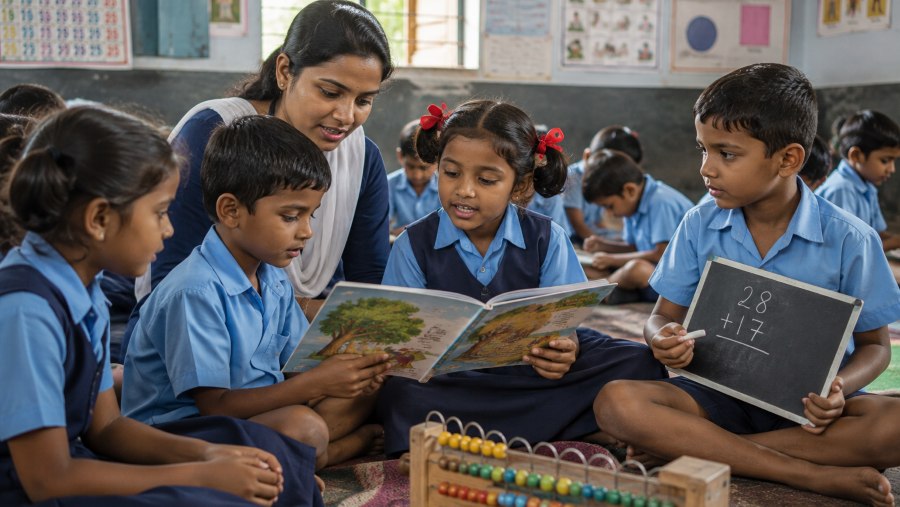
In parallel, our partnership with Youth for Seva introduced smart classrooms, computer labs, and data literacy programmes in four rural government schools. This effort extended beyond infrastructure, with a focus on sustainability through teacher training, curriculum alignment, and regular monitoring of outcomes. As a result, nearly 18,000 students now benefit from access to digital tools and co-scholastic learning support. These initiatives have contributed to higher attendance, lower dropout rates, and early exposure to digital and coding skills that strengthen future employability.
Through STEM learning, digital education, and teacher empowerment, we strive to create learning environments that prepare students for the demands of a technology-driven world
Q. Virtusa’s environmental initiatives range from Miyawaki plantations to solar borewells. What lessons have you learned from these community-led projects that can help corporates integrate biodiversity and sustainability into CSR?
A. One of the most consistent learnings has been the importance of site-specific design and long-term maintenance partnerships. Whether it's the Miyawaki forests at Guru Nanak University, Gitam University or KPR Engineering College, we’ve seen that ecological outcomes improve when local institutions and students are part of the process, from planting to upkeep. Similarly, the solar-powered borewells in Amrabad were placed after consultations with forest authorities and community stakeholders, ensuring they address real water stress zones. These experiences reinforce the idea that biodiversity efforts can’t be templatised, they need ground-level alignment. Corporates looking to integrate sustainability into CSR must remain flexible and responsive to each landscape and community’s rhythm.
Q. Beyond ecological benefits, are you looking at how these projects can be leveraged to build community resilience and generate long-term socioeconomic value for local populations?
A. Absolutely. The restoration of the Alli Kulam pond in Chengalpattu, Tamil Nadu, is a good example. While the immediate impact is improved groundwater recharge and biodiversity, the longer-term benefit is community resilience, with the surrounding areas now have better access to water, especially during dry months. In forest regions like Amrabad, enabling water availability reduces wildlife intrusion into human settlements, enhancing safety and agricultural stability. Similarly, when we support education infrastructure, like residential quarters for women teachers in remote areas, we are also enabling continuity in instruction, which benefits students and strengthens community-rooted education systems. These ripple effects are central to how we design our interventions.
Q. Collaborations are crucial for the success of any social initiative. How does Virtusa approach selecting and scaling the right partnerships to maximize both social and environmental returns?
A. At Virtusa, we believe strong collaborations are essential to creating scalable, high-impact social and environmental programs. We seek partners who share our long-term vision, bring domain expertise, and are committed to delivering measurable outcomes that align with local needs.
In education, our partnership with the Government of Tamil Nadu under the Namma School NammaOoru Palli initiative led to the transformation of STEM infrastructure at Lady Willingdon Higher Secondary School in Chennai. We’ve also collaborated with Youth for Seva to implement smart classrooms, computer labs, and co-scholastic support in rural schools, improving digital access and student engagement. At Shivanahalli in Bengaluru, we partnered with the Ramakrishna Mission to enhance rural education through a 7,000 sq. ft. residential facility for women teachers and solar-powered electric buses that transport over 120 students daily. The buses also support weekend STEM sessions, improving access to quality learning in forest-adjacent areas.
On the environmental front, we’ve worked closely with forest officials and tribal communities in the Amrabad Tiger Reserve to install solar-powered borewells, ensuring access to water for both wildlife and local settlements. Our Miyawaki forest projects, developed in partnership with universities like Gitam and engineering colleges in Tamil Nadu, have helped revive biodiversity and create community-led green spaces.
These partnerships are grounded in shared purpose, community involvement, and an adaptive mindset. By combining local knowledge with scalable solutions, we maximize the long-term value of every intervention: socially, environmentally, and systemically.
Q. Could you touch upon on your sustainability framework and how is it ensured that the principles are integrated into the company’s business strategy?
A. At Virtusa, sustainability is integral to making experiences better with technology. We look beyond business outcomes to create positive impact for people, communities, and the planet.
Our sustainability framework contains seven core elements: health and safety; environment; business continuity management; information security; labor standards and diversity; anti-bribery and corruption; and management engagement and social impact. These core elements are supported by relevant policies, employee training and certifications such as ISO 14001, ISO 45001, ISO 50001 and ISO 27001.
Q. Virtusa aims for 100% renewable energy by 2030. As the CFO, what kind of investments and financial models are you exploring to make this transition feasible and cost-effective?
A. Achieving 100 percent renewable energy usage by 2030 is a strategic focus for us, driven by both environmental responsibility and long-term business value. We have already reached 93% percent renewable energy adoption in FY25 and are approaching this transition through a mix of capital investment, smart procurement, and energy optimization.
Our roadmap includes expanding Green Power Purchase Agreements (PPAs) and exploring on-site solar installations at owned facilities and investments in energy attribute certificates (EACs)/renewable energy certificates (RECs). We are also engaging with renewable energy providers through long-term agreements that support stability and emission reduction goals.
In parallel, we continue to implement energy-efficiency measures across our infrastructure—such as LED lighting, HVAC upgrades, and cloud migration—to lower overall consumption. Monitoring systems help track usage patterns and inform data-driven improvements.
On the financing front, we are assessing sustainability-linked funding options to complement internal capital allocations, supporting a transition that is both scalable and aligned with our broader sustainability commitments.
Sustainability is embedded in how we manage operations, reduce risk, and build trust with stakeholders. Every investment we make is aimed at strengthening resilience and delivering measurable outcomes over time.
Q. With over 7,000 employees trained on sustainability and a strong digital talent pool, how is Virtusa using technology- AI, cloud, and data analytics- to not only meet its own Sustainability goals but also help clients achieve theirs?
A. While sustainability is a compliance mandate, we largely view it as an opportunity to redefine how digital capabilities can be used to solve environmental and social challenges. Internally, our cloud migration and energy optimization efforts have been key to improving our own footprint. On the client side, we work closely with global enterprises to help them integrate sustainability into their technology architectures, whether through AI-enabled reporting systems, carbon tracking models, or data-driven analytics. With over 7,000 employees sensitized to sustainability, the culture is now shifting from awareness to application. That, to us, is the real transformationwhen digital fluency meets purpose-driven execution.
Q. Virtusa’s Sustainability goals include achieving net-zero emissions by 2040 What mechanisms are in place to track progress on these sustainability targets, and how is leadership held accountable?
A. At Virtusa, achieving net-zero emissions by 2040 is not just a commitment—it’s a structured, measurable journey. Oversight starts with our Sustainability Committee, which operates at the board level to integrate sustainability goals into everyday business decisions. This committee acts as the ultimate decision-making body for the sustainability program and policies and is responsible for the approval of the sustainability objectives, goals, strategies, and measures (OGSM) that set out our sustainability strategy, including Virtusa’s SBTi targets. The committee meets every quarter to review progress on sustainability initiatives and discuss upcoming strategies.
Our Science-based targets aim for a 75% reduction in Scope 1 and 2 emissions by 2030, and a 90% reduction across all scopes by 2040. These are tracked through detailed annual reports and third-party assessments and verification.
We partner with suppliers who align with our sustainability goals, including achieving net-zero targets. Supply chain engagement is driven through cross-functional collaboration across procurement and sustainability teams. In FY25, we used a leading sustainability ratings platform to engage our top 200 suppliers, allowing them to directly report their sustainability performance, emissions data, and environmental targets. The platform also provides a carbon module, which enables us to monitor our suppliers’ carbon emissions and track their contributions to our SBTi targets.
Sustainability metrics are part of executive performance reviews, so leadership is directly accountable. The Sustainability Committee plays a key role in ensuring that these metrics are not just tracked but acted upon.
Overall, our progress is driven by a combination of transparent reporting, structured oversight, and leadership accountability.
Q. Looking ahead, how do you envision Virtusa’s sustainability roadmap evolving over the next 5–10 years, especially in the context of evolving global sustainability regulations and investor expectations?
A. We see the next decade as a critical period to accelerate our sustainability efforts. Virtusa is working toward net-zero emissions by 2040 and 100% renewable energy by 2030, supported by validated SBTi targets and outlined in our Climate Transition Plan. As sustainability regulations grow more stringent across global markets, particularly in Europe and North America, we are strengthening our disclosures and aligning internal systems to meet these standards. Our approach integrates sustainability into operational planning, client engagement, and risk management. Community-focused programs in education, environment, and clean energy remain a core part of our long-term social impact agenda. As expectations continue to evolve, we are committed to transparency, agility, and measurable outcomes.


.png)