Making Specialty Medicines Accessible Across India: How MrMed Is Strengthening the Cold Chain
Access to chronic and cancer care medicines in India remains uneven, shaped more by geography, logistics, and affordability than by medical need. For patients outside major urban centres, treatment journeys are often disrupted by delayed refills, fragmented supply chains, broken cold chains, and high out of pocket costs, barriers that directly affect health outcomes and quality of life.
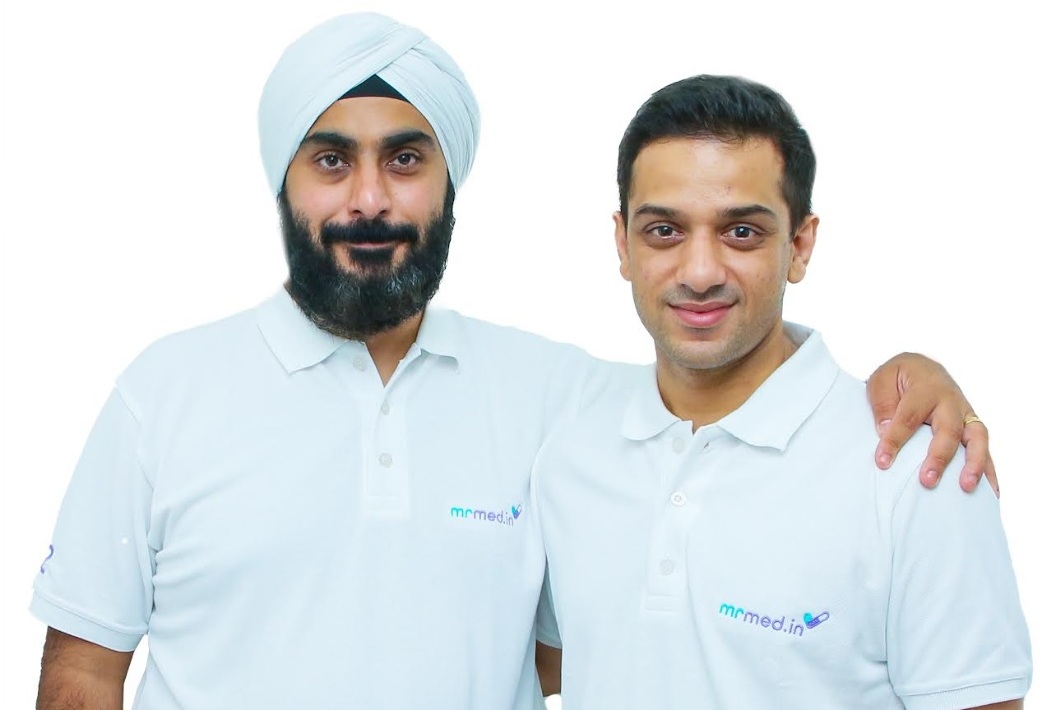
Co-founded by Devashish Singh, Chief Executive Officer, and Saurab Jain, Chief Business Officer, MrMed addresses these systemic gaps by placing patients and caregivers at the centre of India’s specialty medicine ecosystem. The company has fulfilled over 5 million orders, helped patients save significantly on treatment costs, and expanded its reach to 4,000 plus pin codes, including rural and underserved regions where access to verified, temperature sensitive medicines remains limited.
A significant milestone in MrMed’s journey is the launch of its Bengaluru cold chain hub, strengthening a national network that already spans Chennai and Delhi. Backed by sustained investment and a blended model of in house cold chain capabilities and trusted logistics partnerships, this expansion improves last mile reliability for oncology, metabolic, and chronic care therapies.
In this interview with TheCSRUniverse, MrMed’s Co-Founders share how technology led infrastructure, patient assistance facilitation, and hands on human support are working together to make specialty medicines more accessible, affordable, and dependable for patients across India.
Read the full interview for more insights.
Q&A
Q. India still faces deep inequities in access to chronic and cancer-care medicines. What specific gaps did you observe that shaped MrMed’s patient-first approach?
A. When we started MrMed, the most visible gap was not the absence of advanced chronic or cancer treatments, but the difficulty patients faced in accessing them consistently. Patients and caregivers were often travelling long distances, dealing with fragmented supply chains, delayed refills, and unpredictable pricing. In many cases, these challenges led to treatment interruptions, not because the medicine was unavailable in the market, but because it was unavailable to the patient at the right time and at the cost.
We also saw that beyond the hospital setting, patients lacked clear guidance and support. Chronic and cancer therapies require continuity, planning, and trust, yet patients or their caregivers are left to manage complex refills and logistics on their own, directly impacting outcomes and quality of life.
These realities shaped MrMed’s patient-first approach. We focused on verified sourcing, transparent pricing, reliable fulfilment, and technology driven systems that simplify access to specialised medicines. Equally important, we built support mechanisms that help patients stay on track with long term therapy. Our mission has been to remove the hidden barriers that stand between patients and the care they need, so access to life saving treatment is consistent, predictable, and dependable.
In essence, MrMed’s approach ensures that no patient’s treatment outcome depends on logistics, location, or luck.
Q. How is your cold-chain expansion improving last-mile access for underserved or remote regions?
A. Cold chain expansion for us is about taking specialty medicines to places they rarely reach. Many life saving therapies, biologics, injectables, and temperature sensitive drugs, still stop at big cities because reliable cold storage and delivery often break down beyond that point.
At MrMed, we are fixing this by building a distributed cold chain network engineered for India’s diverse and challenging conditions. We combine certified cold storage, insulated packaging, and continuous temperature tracking from warehouse to doorstep. We continuously improve our packaging and have designed and tested insulation products that can maintain 0- 7 degrees Centigrade for up to 100 hours. Further, we use air shipping for intercity logistics. Also, for more complex pincodes, instead of relying only on national carriers, we work closely with regional logistics partners who understand local routes, distances, and delivery constraints, allowing us to reach smaller towns and remote pin codes with consistency.
We also avoid overstocking. Our on demand fulfillment model moves medicines only when needed, which reduces spoilage and keeps costs under control, a critical factor when serving regions with lower but urgent demand.
Through this expansion, patients in remote and underserved regions now receive the same assured quality as those in metros, turning specialty care from a city privilege into a national standard.
Q. What measures ensure transparency, safety, and trust for patients who rely on you for critical therapies?
A. For patients who depend on critical therapies, transparency, safety, and trust are essential, not optional. At MrMed, every step of the medicine journey is designed to be clear, controlled, and accountable.
We ensure transparency by sourcing medicines directly from authorized manufacturers and licensed partners, as seen in our recent partnership with Eli Lilly. This direct sourcing removes unnecessary intermediaries, ensures genuine products, and allows us to offer clear, predictable pricing to patients who are already under financial strain. Every medicine is traceable at the batch level, with thorough checks for authenticity, expiry, and compliance before dispatch.
Safety is embedded into our operations. Temperature sensitive therapies, including GLP 1 medications, are stored and delivered through validated cold chain infrastructure, supported by continuous temperature monitoring. Our Bengaluru cold chain hub and last mile controls ensure medicines maintain their integrity from warehouse to patient. Any deviation is identified immediately, preventing compromised therapies from reaching patients.
Trust is built through consistency and human support. Our in house pharmacists guide patients through complex treatments, answer questions around usage and storage, and remain accessible throughout the therapy journey. Combined with reliable delivery, transparent documentation, and responsive customer care, patients know exactly what they are receiving and why.
When patients rely on MrMed for life critical medicines, we recognize the responsibility that comes with it. Our systems, partnerships, and processes are built to earn and protect that trust every single day.
Q. How does your Patient Assistance Program help reduce affordability barriers, particularly for oncology and other complex treatments?
A. Affordability is often the biggest barrier between a patient and life-saving treatment, especially in oncology and other complex therapies. Cost should never decide who gets treated, yet it often does. That is why MrMed actively helps patients discover and enroll in manufacturer-led Patient Assistance Programs, so existing support does not go unused simply because it is hard to access.
Most Patient Assistance Programs are created and funded by pharmaceutical manufacturers and, in some cases, supported by healthcare institutions. Our role is to make these programs understandable and accessible. We educate patients and caregivers about available schemes, explain eligibility criteria in simple terms, and guide them on how these programs can meaningfully reduce out-of-pocket expenses over the course of treatment.
The reality, however, is that many eligible patients do not benefit from these programs because of complex paperwork, scattered information of hundreds of programs across dozens of pharmaceutical companies, and a lack of dedicated guidance. MrMed steps in as a facilitator. Our team takes ownership of explaining options, helping collect and submit documents, coordinating with program desks, and tracking application status. This reduces the administrative burden on patients and their families, who are already under emotional and financial stress.
For oncology and long-duration therapies, where costs accumulate over months or years, this handholding ensures continuity of care without sudden financial shocks. Patients who qualify for PAPs are able to start treatment sooner, stay on prescribed regimens longer, and avoid interruptions driven purely by affordability. By bridging the gap between manufacturers’ programs and patients who need them, MrMed helps ensure that support designed to improve access actually reaches the people it was created for.
Q. How do you support patients who struggle with digital literacy, documentation, or navigating therapy requirements?
A. Not every patient or caregiver is comfortable navigating apps, websites, or online forms, especially when they are already coping with a serious diagnosis. At MrMed, technology is there to make care easier, not harder, so patients can simply reach out and get their medicines without worrying about digital skills or paperwork.
Patients and caregivers can literally call or message our team on WhatsApp, share their prescription, and have the entire process handled for them, from form-filling and eligibility checks to placing the order and arranging refills. Our support team guides them step by step over phone or chat, ensuring that digital or documentation barriers never delay treatment, whether the patient lives in a metro or a remote town.
We also work closely with caregivers and local healthcare providers for therapies that require ongoing monitoring, so even patients who are not digitally savvy or who live far from major centers can stay on track with their treatment. Ultimately, care should not depend on a person’s comfort with technology, only on their need.
Q. How does your blended in-house + partner logistics model strengthen quality-controlled delivery in hard-to-reach areas?
A. Our blended logistics model combines the strengths of our in-house capabilities with trusted national and regional partners to ensure medicines reach even the most remote areas safely and reliably.
Our in-house team manages temperature-sensitive storage, packaging, and monitoring, ensuring every shipment meets strict quality standards before it leaves our facilities. For last-mile delivery, we work with market leaders across air and temperature controlled logistics (TCL). This enables less than 24 hour delivery to all metros and tier 1 cities. We also work with strong regional logistics partners who know the local routes, challenges, and timing, enabling us to reach smaller towns and hard-to-access communities efficiently.
This combination allows us to maintain full control over the quality of the medicine while leveraging local expertise for timely delivery. For patients in remote areas, it means they receive the same safe, effective, and authentic therapies as those in major cities, without compromise. By blending central oversight with local reach, we turn complex deliveries into dependable care.
Q. What role do partnerships—with manufacturers, logistics providers, or healthcare institutions—play in improving access and continuity of care?
A. Partnerships are at the heart of what makes reliable access to critical medicines possible. No single organization can ensure that life-saving therapies reach every patient on time, especially in remote or underserved regions.
Working directly with manufacturers, like our recent collaboration with Eli Lilly, allows us to source medicines at fair prices and guarantee authenticity, so patients can trust what they receive. Partnering with logistics providers ensures that even the most temperature-sensitive medicines are delivered safely to towns and villages far from major cities. And by collaborating with hospitals, clinics, and local healthcare providers, we create a support system that helps patients navigate prescriptions, refills, and therapy guidance.
Together, these partnerships form more than a supply chain, they create a care continuum. For patients, these partnerships mean they don’t have to worry about interruptions, counterfeit medicines, or complicated processes. It turns access into a seamless experience and gives families confidence that their treatment journey is supported every step of the way.
Q. From your perspective, what systemic cold-chain or access gaps still need urgent attention within India’s healthcare ecosystem?
A. Reliable cold-chain delivery can literally decide whether a medicine works as intended, yet there are still critical gaps in India’s healthcare ecosystem. The biggest issues show up once you move beyond major cities.
There is still uneven cold-chain infrastructure and power reliability in many tier 2, tier 3, and rural areas, which makes it difficult to keep high-value biologics and injectables within the right temperature range end to end. Standards also vary widely across transporters, warehouses, and local pharmacies, and real-time temperature monitoring is far from universal, so excursions often go unnoticed.
On the ground, many facilities and pharmacies lack trained staff, validated equipment, and consistent operating procedures for handling temperature-sensitive medicines, especially at the last mile. Until India addresses these gaps in infrastructure, validation, and training, patients outside large cities will remain at higher risk of receiving medicines that are technically delivered, but not always delivered in the right condition.
Q. Could you share an example or insight that best captures the social impact of reliable cold-chain delivery for a patient or community?
A. There is one experience that stays with our team and captures the social impact of reliable cold-chain delivery. A middle-aged cancer patient in a small town had been delaying cycles because every round meant travelling to a metro, losing income, and worrying whether her medicine would be available and handled correctly.
When we started supporting her, we worked with her oncologist and local providers to map a practical cold-chain route. We realised that, in her region, intercity bus transport was actually the most reliable link, so we set up a process where her temperature-sensitive oncology medicine moved on a verified bus connection, with checks at dispatch and on receipt to ensure it stayed within range.
Today, she continues to receive her medicines regularly through this model, without missed cycles or last-minute travel. For her and her family, the difference is simple but profound: treatment has become predictable and close to home, and a basic bus route, backed by proper cold-chain controls, has turned a fragile supply line into a lifeline.
Q. As you chart the next phase of your journey, what aspects of access, affordability, or last-mile capability define your future roadmap for social impact?
A. As we move into MrMed’s next growth phase, our focus remains where it began, with the patient and caregiver. Today, access to critical medicines is still shaped by where a person lives, what they earn, and how complex their therapy is, and changing that remains our core mission.
Access, for us, means going deeper, not just wider. We are extending specialty care into tier 2, tier 3, and remote regions by building regional supply hubs (multiple new locations going live in the next few months) and working closely with partners outside major cities, so starting a complex therapy no longer requires long travel, multiple referrals, or avoidable delays.
Affordability will continue to be driven by scale and partnerships. We will keep working directly with pharmaceutical manufacturers and actively guiding patients into applicable Patient Assistance Programs across oncology, chronic, and rare disease therapies, so support is available throughout the treatment journey and cost does not interrupt care midway.
Last-mile capability will remain a critical investment area. We are strengthening cold-chain infrastructure and regional logistics networks, to reliably deliver temperature-sensitive and high-value medicines to patients wherever they are, because for many therapies, the final mile is the difference between treatment working or failing. We are also heavily investing in packaging solutions that can economically and effectively keep medicines in the desired cold temperatures for several days.
For us, impact is not measured in scale alone, but in every patient who can start treatment on time, stay on therapy, and complete it with dignity. Our future roadmap is built around making that possible, consistently and at scale, for patients across India.


.png)