Corporate Philanthropy Meets Circular Economy: Sattva Group and rePurpose Global on the Karnataka Zero Waste Initiative
India’s rapid urbanisation and rising consumption have made plastic waste management one of the country’s most urgent environmental priorities. According to the Central Pollution Control Board (CPCB), India generated approximately 4.14 million tonnes of plastic waste in 2023 to 2024, while the United Nations Environment Programme (UNEP) has consistently highlighted plastic pollution as a growing threat to biodiversity, freshwater systems, marine ecosystems and human well being. As the country works towards strengthening its circular economy, experts increasingly emphasise that sustainable progress depends not only on periodic clean up drives but also on building robust waste recovery systems, empowering local institutions and encouraging long term behavioural change within communities.
Plastic pollution has emerged as one of India’s most pressing environmental challenges, with inadequate waste management systems continuing to threaten rivers, coastlines, biodiversity and the livelihoods of communities that depend on healthy ecosystems. While clean up drives remain important, experts increasingly argue that lasting environmental progress lies in strengthening waste recovery systems, empowering local institutions and embedding sustainable practices within communities.
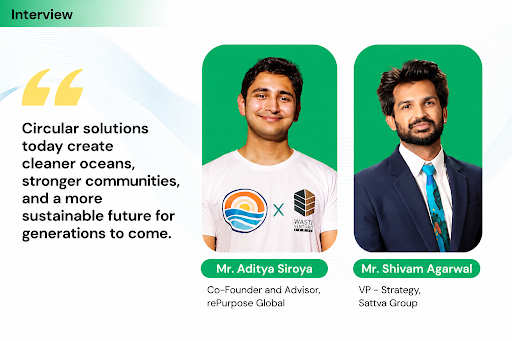
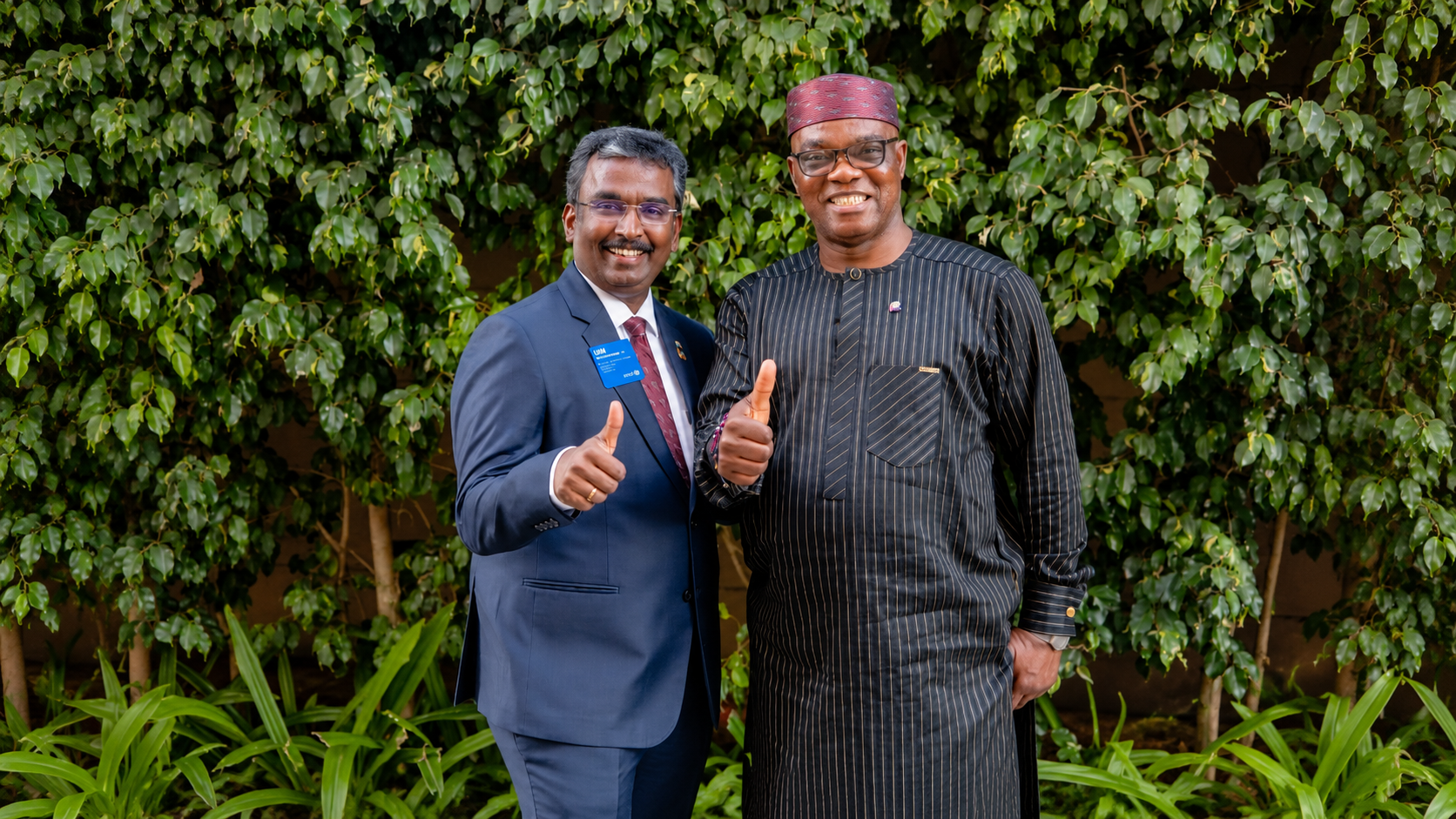
Against this backdrop, the Karnataka Zero Waste Initiative is demonstrating how corporate philanthropy can move beyond short term interventions to build resilient environmental infrastructure. In this interview, Shivam Agarwal, VP, Strategy, Sattva Group, and Aditya Siroya, Co Founder and Advisor, rePurpose Global, discuss how the three year initiative is bringing together corporates, local governments, grassroots organisations and communities to strengthen waste management across Coastal Karnataka. They share insights into creating scalable environmental systems, supporting frontline recovery workers, improving local governance, adopting scientific impact measurement frameworks and developing a collaborative model that could help accelerate India’s transition towards a more circular and sustainable economy.
Scroll down to read the full interview:
Q. Corporate sustainability efforts often focus on visible outcomes, but lasting change requires systems-level intervention. How does Sattva Group view the role of CSR in moving beyond clean-up activities to creating long-term environmental infrastructure and behavioural change within communities?
A. The Karnataka Zero Waste Initiative is a three-year collaborative effort led by Sattva Group, Knowledge Realty Trust and rePurpose to strengthen waste management across Coastal Karnataka. Working across 50 coastal villages, the programmeseeks to recover up to 4.5 million kilograms of dry waste, support nearly 80,000 households through more structured waste management systems and create a model for environmental stewardship that can inspire similar efforts across the country.
The significance of the initiative lies in the landscape it serves. Karnataka's coastline is home to vibrant fishing communities, important river systems, biodiversity-rich habitats and local economies that depend on healthy ecosystems. Protecting these natural assets requires sustained investment in infrastructure, community participation, recovery operations and environmental awareness.
That understanding shaped the design of the programme. Alongside waste recovery, the initiative focuses on strengthening collection and recovery ecosystems, supporting the frontline workforce, engaging communities and establishing robust measurement frameworks that can track progress over time.
The programme has already recovered more than 150,000 kilograms of dry waste, processed over 50,000 kilograms of low-value plastic and engaged with more than 30 Gram Panchayats during its first phase. These early outcomes are encouraging, but they are part of a much larger effort to strengthen one of Karnataka's most important ecological corridors and contribute to healthier rivers, coastlines and communities for years to come.
Q. The Karnataka Zero Waste Initiative brings together corporates, local governments, grassroots organisations, and communities. In your view, what are the key ingredients required to build successful multi-stakeholder partnerships that can deliver measurable environmental and social impact at scale?
A. One of the defining strengths of the initiative has been the diversity of expertise that has come together around a common objective.
Environmental progress benefits when technical knowledge, local insight, implementation capability and long-term institutional support work in alignment. Each partner involved in the programme contributes a unique perspective that helps strengthen the overall effort.
rePurpose brings expertise in programme design, environmental systems and impact measurement. Mangala Resource Management provides deep implementation experience and local engagement capabilities. Gram Panchayats, with the support of the Dakshina Kannada Zila Panchayat, contributeinvaluable knowledge of community priorities and local realities. Sattva Group and Knowledge Realty Trust bring continuity, scale and a long-term commitment to supporting outcomes that extend beyond immediate interventions.
The result is a programme that combines strategic thinking with local relevance. It demonstrates how collaboration can create environmental solutions that are practical, scalable and deeply rooted in the communities they serve.
Q. As ESG and CSR agendas evolve, how do you ensure that environmental programmes also generate meaningful social value, particularly for vulnerable groups such as frontline recovery workers and coastal communities that are directly affected by waste pollution?
A. Environmental stewardship creates its greatest value when it strengthens both ecosystems and the communities that depend on them.
Across Coastal Karnataka, healthy rivers, coastlines and marine ecosystems are more than environmental assets, they are foundational to livelihoods, local economies and everyday well-being. Cleaner waterways and healthier coastal environments help sustain fishing communities, support economic activity, enhance public spaces and contribute to a higher quality of life for residents.
This perspective is central to the programme’s design. While environmental restoration remains a core objective, equal importance is placed on awareness, participation and community engagement. Lasting environmental progress is most effective when communities experience tangible benefits, feel a sense of ownership and play an active role in shaping outcomes.
The programme also recognises the vital contributions of those working within the recovery and recycling ecosystem. By supporting the individuals whose daily efforts help keep valuable resources in circulation and out of the environment, the initiative reinforces the human dimension of environmental stewardship. In doing so, it seeks to create a model where ecological recovery, community well-being and economic resilience advance together.
Ultimately, the strongest environmental initiatives are those that create shared value for nature and society alike.
Q. The initiative aims to recover up to 4.5 million kilograms of waste and integrate 80,000 households into formal waste management systems. What specific milestones have been achieved in the first phase, and what lessons from the initial implementation will shape the programme’s next stages?
A. The first phase focused on building understanding before expanding scale.
Through baseline assessments, field visits and extensive engagement with communities, local leaders and implementation partners, the programme developed a detailed understanding of environmental conditions, waste flows and recovery opportunities across the coastline.
The early results have been encouraging. More than 150,000 kilograms of dry waste have been recovered, over 50,000 kilograms of low-value plastic has been ethically processed, and the programme has engaged with more than 30 Gram Panchayats.
Beyond the numbers, the first phase reinforced the importance of listening to communities and understanding local context. Every village has its own environmental realities, strengths and priorities. These insights are helping shape future interventions and ensuring that the programme remains responsive to local needs as it expands across the region.
Q. Coastal waste management presents unique challenges due to tourism, fishing activities, riverine waste flows, and fragmented collection systems. What insights emerged from your field visits that reinforced the need for a region-specific approach to addressing plastic leakage in Karnataka’s coastal belt?
A. One of the most valuable insights was understanding the role of the Netravathi River and its tributaries as ecological lifelines that connect communities across the region before eventually reaching the Arabian Sea.
Looking at the coastline through this broader ecological lens highlighted how environmental impacts are influenced by activities occurring far beyond the shoreline itself. It reinforced the importance of understanding how materials move through interconnected landscapes and how interventions in one location can create benefits across a much larger geography.
Field visits also highlighted the diversity of experiences along the coast. Tourism centres, fishing communities and residential settlements each interact with environmental challenges differently. Interactions with local stakeholders highlighted the close relationship between environmental health and livelihood security, particularly in communities whose livelihoods depend on healthy coastal and marine ecosystems.
These observations underscored the value of solutions that are designed around local conditions and informed by the people who know these environments best.
Q. rePurpose Global has often advocated for building waste management systems rather than relying solely on periodic clean-up campaigns. How is this initiative strengthening local waste infrastructure and governance mechanisms to ensure that waste is intercepted before it reaches rivers and coastlines?
A. The programme is guided by a clear and impactful principle: the greatest environmental value is achieved when materials are recovered before they reach natural ecosystems.
This commitment has driven sustained investment in strengthening collection infrastructure, expanding aggregation networks, enhancing recovery operations, and improving efficiency across the waste management value chain. Strategic interventions have also been implemented along critical waste pathways, enabling greater material recovery before waste reaches major river systems and coastal environments.
Recognising that long-term success depends on more than infrastructure alone, the programme places equal importance on empowering local institutions and engaging communities. While infrastructure provides the foundation for effective recovery, awareness, participation, and local ownership help ensure these systems remain resilient and sustainable over time.
Together, these integrated efforts are helping to build stronger recovery ecosystems, contributing to cleaner waterways, healthier coastlines, and lasting environmental benefits for communities across the region.
Q. Waste workers remain the backbone of India’s circular economy, yet they often operate without adequate recognition or livelihood security. How is the Karnataka Zero Waste Initiative working to improve not just incomes, but also the dignity, skills, and long-term economic resilience of those involved in the recovery ecosystem?
A. Environmental resilience depends on the people who help sustain it. The individuals responsible for collecting, sorting and recovering materials that would otherwise leak into rivers, coastlines, and landfills perform a critical environmental service, yet they remain among the least visible and most vulnerable stakeholders in the system. The Karnataka Zero Waste Initiative is designed to change that.
Recognising this contribution, the initiative includes a dedicated focus on workforce development. Training programmes, workplace safety interventions, operational tools and infrastructure improvements help create safer and more efficient working environments. During the first phase alone, 20 individuals working within the recovery ecosystem benefited from programme interventions.
Investing in people strengthens the entire recovery value chain and contributes to a more resilient, inclusive and effective environmental ecosystem.
Q. The programme has already engaged with over 30 Gram Panchayats and processed significant volumes of low-value plastic. Could you share any early indicators that demonstrate how local governance participation is influencing waste segregation, collection efficiency, or community ownership of the initiative?
A. The engagement of more than 30 Gram Panchayats has helped create strong local foundations for the programme.
Local leadership brings credibility, continuity and a deep understanding of community priorities. Their involvement has played an important role in outreach efforts, awareness-building and encouraging participation across villages.
The recovery of more than 150,000 kilograms of dry waste and over 50,000 kilograms of low-value plastic reflects the momentum that can be generated when local institutions and communities work together.
Equally encouraging are the signs of increasing awareness and engagement at the village level. These indicators suggest that environmental stewardship is becoming more deeply embedded within community life, creating a strong platform for future progress.
Q. One of the most ambitious goals of the initiative is to reduce plastic leakage across 50 coastal villages. What methodologies or impact measurement frameworks are being used to assess whether plastic pollution is actually being prevented from entering marine ecosystems, rather than merely being collected after the fact?
A. Strong environmental programmes rely on strong evidence.
The initiative combines baseline assessments, operational monitoring, recovery data and independent verification mechanisms to understand how materials move through local systems and how interventions influence environmental outcomes over time.
The programme is guided by rePurpose's BASE Framework and follows established recovery, audit and assurance protocols that support transparency, traceability and accountability. These frameworks provide a comprehensive understanding of programme performance while enabling continuous learning and improvement.
Measurement is important because it allows environmental initiatives to evolve with confidence, ensuring that resources are directed towards interventions that create meaningful and measurable benefits for ecosystems and communities.
Q. Aditya Siroya spoke about creating a model that can extend beyond Karnataka. Based on the early outcomes and learnings so far, what elements of the Karnataka Zero Waste Initiative do you believe are most replicable for other states, and what role can corporate philanthropy play in accelerating such scalable environmental solutions across India?
A. One of the most valuable contributions this initiative can make is demonstrating how environmental resilience can be strengthened through long-term commitment, strong partnerships and active community participation.
While every geography has its own environmental realities, the principles underpinning the programme are widely applicable. Local engagement, robust infrastructure, workforce support, scientific measurement and sustained investment are relevant across regions and ecosystems.
The Karnataka Zero Waste Initiative brings these elements together within a single framework, creating an approach that can be adapted to different contexts while remaining responsive to local conditions.
Corporate philanthropy can play a catalytic role by supporting innovation, convening expertise and providing the patient capital required to help environmental programmes mature and scale.
If the lessons from this initiative inspire similar efforts elsewhere, its impact will extend far beyond Coastal Karnataka. It will help demonstrate how environmental stewardship can create lasting value for ecosystems, livelihoods and communities across the country.



.png)