Building Resilient Growth: Diageo India’s Integrated Approach to ESG
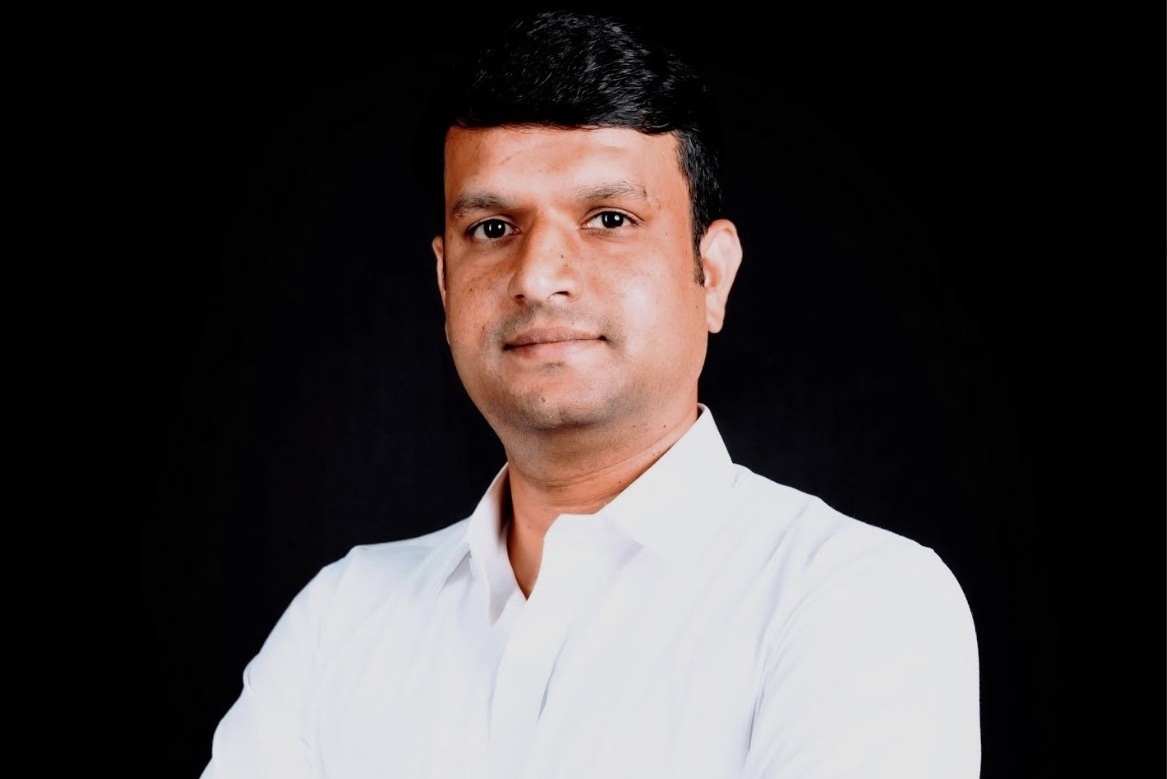
At a time when sustainability is increasingly shaping long-term business resilience, Diageo India has emerged as a compelling example of how ESG can be embedded meaningfully across the value chain. In this in-depth conversation, Srinidhi Rao, Head of Sustainability at Diageo India, offers insights into the strategic thinking behind the company’s ESG Reporting Index 2025 and its broader ‘Spirit of Progress’ agenda, which anchors sustainability, inclusion, and responsibility at the heart of business growth.
From grain-to-glass sustainability and water stewardship to decarbonisation, regenerative agriculture, and inclusive growth, Rao outlines how Diageo India is translating ambition into measurable, long-term impact. The discussion explores how strong governance, science-led interventions, and multi-stakeholder collaboration are enabling the company to move beyond compliance toward creating enduring social, environmental, and economic value for communities and ecosystems across India.
Q&A
Q. What strategic vision guided the creation of Diageo India's ESG Reporting Index 2025, and how does it shape your grain-to-glass sustainability roadmap?
A. The creation of Diageo India’s ESG Reporting Index 2025 is guided by our ESG agenda ‘Spirit of Progress’, which defines how we deliver long-term value responsibly. This agenda is anchored in three priorities: pioneering grain-to-glass sustainability, championing inclusion and diversity, and promoting positive drinking, all underpinned by a strong commitment to doing business the right way.
The ESG Reporting Index was developed as a comprehensive framework to systematically map, measure, and report progress across all our priorities. It offers a holistic view of our performance from grain to glass, spanning climate and water stewardship, circularity, people and workplace inclusion, and the embedding of positive drinking norms across markets and communities.
Developed ‘inaccordance with’ the GRI Standards, and aligned with the UN Sustainable Development Goals, UN Global Compact Principles, and SASB standards, the Index strengthens transparency, comparability, and internal accountability. It also plays a critical role in helping us manage risks, identify opportunities, and drive sustainable value creation across our value chain.
Ultimately, the Index functions as a strategic compass, translating our ESG ambition into measurable outcomes and ensuring our growth remains resilient, responsible, and inclusive. It sits within a broader reporting suite that includes our Annual Report and ongoing disclosures, enabling consistent, decision-useful information for a wide range of stakeholders.
Q. How have Diageo India’s water stewardship programs improved resilience in water-stressed regions, both operationally and at the community level?
A. Water stewardship is central to Diageo India’s grain-to-glass sustainability agenda, particularly in a water-stressed country like India, where long-term business resilience is inseparable from community and ecosystem resilience. Under our ‘Spirit of Progress’ ESG action plan, ‘Preserving Water for Life’ is an important priority.
In our operations, we have focused on significantly reducing water dependence across our manufacturing units. Since our 2020 baseline, we have improved water-use efficiency by 54% in distillation and by 35% in packaging. Our Alwar distillery, home to Godawan, our artisanal single malt, is Alliance for Water Stewardship (AWS) certified, validating our adherence to globally recognised water stewardship standards.
At the community level, we work to replenish more water than we consume, while strengthening the resilience of our watersheds. In FY25 alone, we replenished 182,000 cubic metres of water, taking our cumulative replenishment to over 1.1 million cubic metres. Our efforts include desilting water bodies, improving groundwater recharge, and supporting water access for smallholder farmers. We also complement this with extensive WASH (Water, Sanitation & Hygiene) initiatives that directly enhance public health and climate resilience in surrounding communities.
Beyond these projects, we’re also championing collective action for water stewardship and basin-level resilience. As a founding member of The Godavari Initiative, a multi-stakeholder collaboration, we are working to advance the sustainable and equitable management of the Godavari River Basin, supporting long-term water security at scale.
Q. Can you elaborate on the collaboration model behind The Godavari Initiative and its impact on basin-wide water security?
A. The Godavari Initiative (TGI) is a pioneering, basin-level collaboration co-founded by Diageo India to address the complex, interconnected challenges facing India’s second-largest river system. Recognising that river resilience cannot be achieved through isolated projects, TGI was designed as a multi-stakeholder platform that brings together corporates, civil society organisations, government entities, technical institutions such as the Alliance for Water Stewardship, and local communities.
The initiative operates across 55,350 square kilometres, benefiting an estimated 23 million people across nine districts. Its interventions focus on strengthening the health of the entire basin rather than individual sites, including aquifer recharge, watershed development, riverbank restoration, desilting of water bodies, and pollution mitigation. In Nashik, for instance, boom barriers have been installed to intercept solid waste before it enters the river system, helping reduce downstream pollution.
What distinguishes TGI is its emphasis on shared governance, technical rigour, and community-led stewardship. By aligning science-based planning with local participation and institutional collaboration, the initiative is strengthening basin-wide water security while creating a scalable, replicable model for long-term river rejuvenation in India.
Q. What have been the most impactful carbon-reduction milestones since eliminating coal use and transitioning to near-100% renewable energy?
A. Accelerating to a low-carbon world is another priority in our grain-to-glass sustainability strategy. Our approach focuses on decarbonizing operations while also driving climate action through packaging innovation, community initiatives, and partnerships across the value chain.
A key milestone was the complete elimination of coal use across all distilleries in 2022. Combined with sustained energy efficiency measures, this has resulted in a 93% reduction in operational greenhouse gas emissions since our 2020 baseline. Today, 99% of the energy used in our operations comes from renewable sources, supported by the use of biomass renewable fuel, in-house 2.7 MW of captive solar capacity, and the rest of our grid power fully backed by International Renewable Energy Certificates (i-RECs), placing us well ahead of our 2030 scope 1&2 decarbonisation goals.
We have also advanced circularity and emissions reduction through packaging. More than 99% of our packaging is now recyclable, 59% of our packaging portfolio incorporates recycled material, and we have achieved zero waste to landfill. Packaging light-weighting, the removal of monocartons from most of our portfolio, and Extended Producer Responsibility (EPR) compliance have further reduced our material and carbon footprint. We have also undertaken a large-scale tree plantation program in Rajasthan to support long-term carbon sequestration.
Importantly, on agri-inputs emissions, our decarbonisation efforts extend beyond our operations. Through regenerative agriculture programmers with farming communities in Punjab, Haryana, and Telangana, in partnership with organizations such as The Nature Conservancy and the Centre for Sustainable Agriculture, we are beginning to address Scope 3 emissions while strengthening soil health and farmer resilience.
Q. How is Diageo India working with suppliers and farmers to reduce Scope 3 emissions and promote regenerative agriculture?
A. Reducing Scope 3 emissions is a critical focus area, given the significant role agriculture plays in our value chain. Our approach centers on working closely with suppliers and smallholder farmers to promote regenerative practices that strengthen soil health, reduce emissions, and build long-term farm resilience.
In key sourcing regions of Punjab and Haryana, we implemented a regenerative agriculture program that trained farmers in practices such as crop residue management, efficient irrigation, and agroforestry. We are complementing this with a three-year pilot programme in Nizamabad, Telangana, engaging 410 farmers across Kharif and Rabi seasons to adopt water-efficient and carbon-reducing practices such as alternate wetting and drying. Together, these initiatives are helping embed low-carbon agriculture across our sourcing regions, while supporting more climate-resilient livelihoods and a more sustainable supply chain.
Q. What key diversity and inclusion milestones stand out from FY25, particularly around leadership representation, PwD hiring, and your Learning for Life programs?
A. FY25 marked strong, measurable progress for Diageo India across key inclusion and diversity priorities, spanning leadership representation, inclusive hiring, and skills development. Women’s representation continued to advance across senior levels, with women now comprising 30% of our leadership team and 28% of the executive workforce. Inclusive employment and skill building also remained important focus areas. Through Project Saksham, we hired and upskilled 43 persons with disabilities, supported by structured onboarding and career development pathways.
In parallel, our ‘Learning for Life’ program continues to strengthen employability and livelihoods, particularly for underrepresented communities. It has trained 6536 individuals since launch in FY21. The program was expanded to include Persons with Disabilities through a partnership with the Skill Council for Persons with Disabilities (SCPwD), and 303 PwDs were trained under its aegis in FY25. Importantly, over 50% of the beneficiaries of our CSR programs are women.
Our efforts are also reinforced by active employee resource groups (ERGs), including the Spirited Women’s Network, which advances gender equality, and the Rainbow Network, which supports LGBTQIA+ inclusion. The progress that we’ve made in building an inclusive workplace and ecosystem has been recognized externally. Diageo India was certified as a Great Place to Work, named a Gold Employer for LGBT+ Inclusion by the India Workplace Equality Index (IWEI), ranked 16th in the Equileap Gender Equality Report for Emerging Markets, and honoured with a national award by FICCI for strengthening women’s representation in senior management.
Q. How has Diageo India strengthened behavioral change around responsible drinking through Act Smart India, Wrong Side of the Road, and DRINKiQ?
A. Strengthening behavioral change around responsible drinking is central to Diageo India’s focus on promoting positive drinking. Our approach is indexed on early education, risk awareness, and informed decision-making, delivered through evidence-based programs.
Through Act Smart India, we engage youth at a formative stage, equipping them with the information and life skills needed to make responsible choices. In FY25, the program reached over 200,000 youth, building awareness around the risks of underage drinking.
Addressing drink driving is another critical priority. Our Wrong Side of the Road initiative works in partnership with state transport authorities to drive attitude changes among drivers. The program is now operational across 79 RTOs in 10 states, engaging over 500,000 individuals in FY25 and reaching a cumulative 1.2 million individuals since 2021.
Complementing these interventions, DRINKiQ serves as a digital education platform offering credible, accessible information on moderation and responsible consumption.
Q. What governance structures ensure accountability, performance tracking, and ESG decision-making across functions and operations?
A. Our governance framework is designed to ensure rigor, transparency, and cross-functional accountability. The Board, led by an Independent Chairperson, includes strong independent representation, with all key committees, Nomination & Remuneration, Risk Management, Audit, and CSR & ESG, chaired by Independent Directors. The CSR & ESG Committee conducts periodic reviews of performance against targets, ensuring strategic oversight. At an operational level, cross-functional teams are embedded within business units, along with quarterly reporting to the Executive Committee. This structure ensures ESG is not a parallel agenda but fully integrated into business planning, capital allocation, risk management, and day-to-day operations.
Q. Looking ahead, what ESG priorities will drive business value, community resilience, and circularity over the next 5 years?
A. Our ESG priorities will continue to be guided by our ‘Spirit of Progress’ ESG action plan, which integrates sustainability, inclusion, and responsibility into how we grow and create value. Our focus will remain on embedding grain-to-glass sustainability across the value chain, strengthening inclusion and skills to build resilient communities, and deepening behavioural change around positive drinking. By staying anchored to ‘Spirit of Progress’, we aim to ensure that ESG remains a source of competitive advantage, supports inclusive growth, and contributes meaningfully to India’s broader sustainability and development goals.
Q. How do you evaluate the long-term societal and environmental value created through your sustainability programs beyond compliance metrics?
A. We evaluate the long-term value of our sustainability efforts by looking beyond compliance-based metrics to understand the depth and durability of impact created across ecosystems and communities. Our focus is on outcomes rather than activity.
For environmental programmes, this means tracking improvements in watershed health, groundwater recharge, soil quality, biodiversity, and climate resilience in the regions where we operate and source. These indicators help us assess whether interventions are strengthening natural systems and reducing long-term environmental risk, rather than delivering short-term gains.
Across inclusion and skilling initiatives, success is measured through employability outcomes and sustained improvements in representation, not just the scale of training delivered. Similarly, our responsible drinking programmes are evaluated through indicators of behavioural change, reach within high-risk groups, and the strength of partnerships with public institutions.
By assessing social and environmental capital alongside financial performance, we ensure our ESG programmes create enduring societal value while reinforcing business resilience and long-term sustainability.




.png)