
Vedanta Supports Nearly 50,000 Farmers Through Farmer-Led Institutions and Resilient Livelihood Initiatives
New Delhi, December 22, 2025: Vedanta Limited marked Kisan Diwas by reaffirming its commitment to strengthening rural livelihoods through a farmer-led development approach focused on institution-building, climate-resilient agriculture, and livelihood diversification.
During FY 2024–25, Vedanta’s integrated rural development programmes reached nearly 50,000 farmers across its operational regions, generating close to ₹14 crore in rural income through dairy and allied activities. The initiatives aim to help farmers move beyond subsistence farming by enabling collective action, market linkages, and enterprise-driven models that support long-term income stability.
A key pillar of Vedanta’s strategy is the formation and strengthening of farmer-owned institutions. Across its businesses—including Hindustan Zinc Ltd., Vedanta Aluminium, Cairn Oil & Gas, the Iron Ore Business, ESL Steel Ltd., and FACOR—the company has facilitated the establishment of seven Farmer Producer Organisations (FPOs). These institutions support collective management of dairy operations, cattle feed units, biomass facilities, and value-added agricultural enterprises. Participating farmers have reported average income growth of around 10% and crop yield increases of up to 25%, along with greater leadership and decision-making roles.
Vedanta has also focused on promoting diversified and climate-resilient livelihoods. Farmers are supported in expanding into dairy, horticulture, oilseeds, and allied activities, complemented by improved irrigation, better agronomic practices, and assured market access. In Rajasthan, Hindustan Zinc Limited has supported farmers across nearly 200 villages, where FPO-led initiatives have generated nearly ₹80 lakh in income over the past three years. In Odisha and Chhattisgarh, projects such as Jeevika Samriddhi and Mor Jal Mor Maati have strengthened farm incomes through improved irrigation, agronomy, and practices such as the System of Rice Intensification.
Technology and natural resource management form another core component of the rural strategy. Smart agriculture tools, including automated weather and water stations, provide farmers with real-time weather forecasts, soil health data, and pest alerts. Watershed development and solar-powered irrigation systems have enabled multi-cropping in water-stressed regions. In western Rajasthan, initiatives such as Maru Sagar Dairy and Barmer Unnati have supported milk procurement, orchard development, organic farming, and the conservation of over 45 crore litres of water.
Recognising the importance of supplementary income streams, Vedanta has also invested in skills development and livestock care. In Odisha and Jharkhand, farmers have received training in mushroom cultivation, composting, beekeeping, and scientific farming, while animal health initiatives have strengthened dairy- and livestock-based incomes.
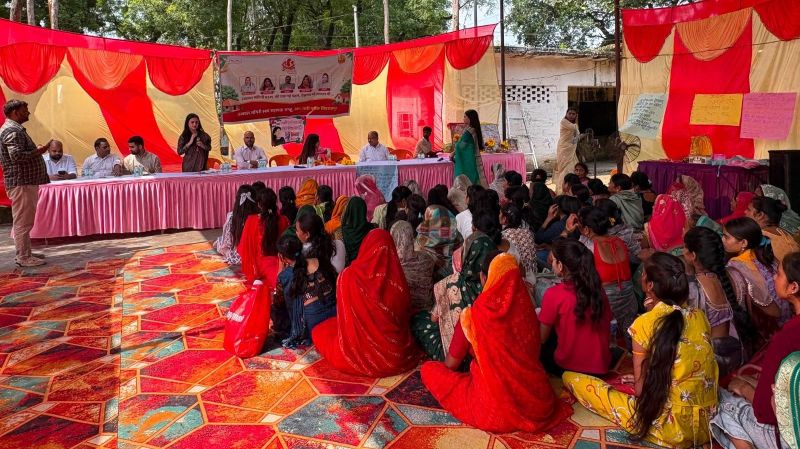
Women and youth remain central to Vedanta’s rural development efforts, with women increasingly managing FPOs and self-help groups, and youth programmes focused on building modern agricultural and enterprise skills.
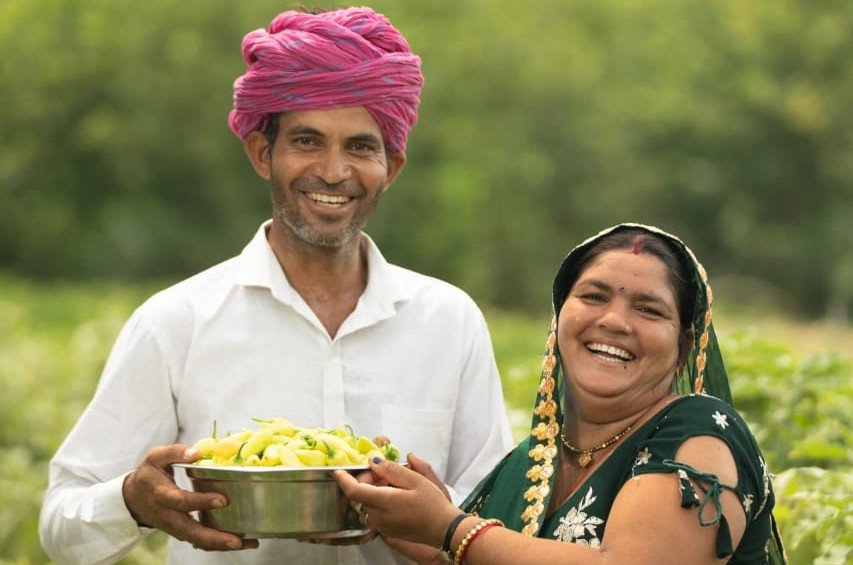
Reflecting the household-level impact, Pochu Devi, a beneficiary of the Maru Sagar initiative, said, “Through the training I received, I started my kitchen garden and now it’s flourishing with organic chillies, guar, lady fingers, lemons, curry leaves, and more. This garden not only provides my family with fresh, pesticide-free vegetables but also earns me an income of ₹20,000 to ₹30,000.”
Vedanta stated that its farmer-led, enterprise-focused approach demonstrates how long-term investment in rural institutions and systems can support inclusive growth and resilient rural economies.