
K J Somaiya Institute of Management, Loughborough University Hold Dialogue on Women’s Football in India
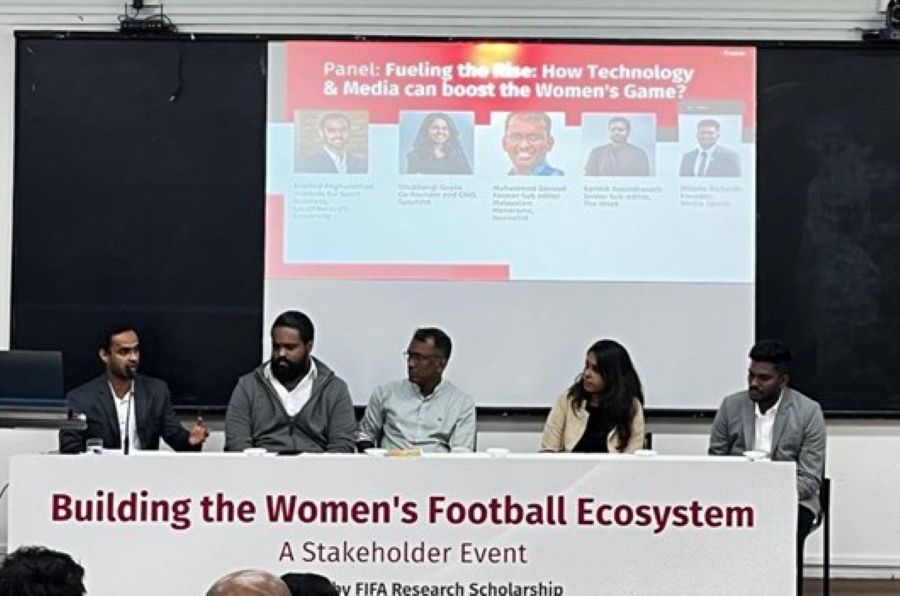
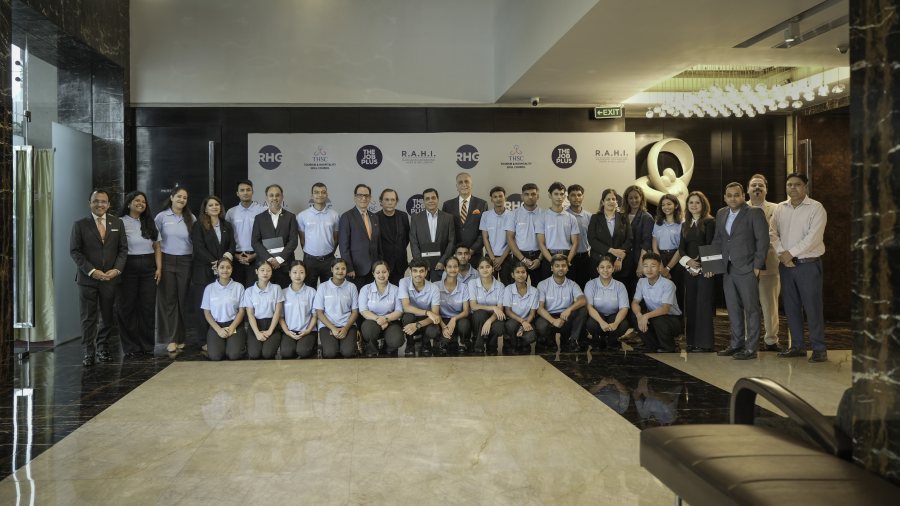
Mumbai, February 05, 2026: K J Somaiya Institute of Management (KJSIM), in collaboration with Loughborough University, UK, convened a multi-stakeholder dialogue to examine the structural, financial, and social factors influencing the development of women’s football in India. The discussion brought together representatives from football governance, academia, media, technology, and international sports organisations, highlighting the importance of global knowledge exchange in strengthening India’s sports ecosystem.
Addressing the role of education in shaping the future of sport, Dr Manjari Srivastava, Associate Dean – Academic Programs at K J Somaiya Institute of Management, highlighted the practical relevance of sports management education. She emphasised the need for collaboration between educators, researchers, and industry practitioners to support sustainable growth in Indian sport. “Students are the future of Indian sport, particularly football, and it is critical that education, research, and industry work together to support long-term ecosystem growth,” said Dr Srivastava.
The dialogue drew on FIFA-supported research presented by Dr Vidya Panicker, Associate Professor – International Business, and Dr Aravind Reghunathan, Assistant Professor – Institute for Sport Business, from Loughborough University. Based on interviews with 33 stakeholders across the women’s football ecosystem, the research identified fragile funding models, limited institutional continuity, and persistent social barriers as key challenges. Speakers noted that sustained progress requires long-term commitment rather than short-term interventions. The UK’s Women’s Super League was referenced as an example of how structured club models, stable sponsorship, and strong governance can support growth.
From a federation perspective, Nildeep Mondal, Chief of Strategy and Operations, All-India Football Federation (AIFF), spoke about the complexities of player development and grassroots expansion. He underlined that access to football is often shaped by family and community support, making local ecosystems essential to a player’s pathway.
Discussions also explored the role of CSR funding, performance analysis, and the use of technology and data to support decision-making, particularly for clubs operating with limited resources. Participants highlighted how media engagement and digital platforms can improve visibility, attract sponsorship, and build stronger fan connections.
For students, the programme provided exposure to applied research, governance perspectives, international club models, analytics practices, and media strategies. The event also opened avenues for future research collaborations, internships, live projects, and mentorship opportunities.
The dialogue reinforced a central theme: women’s football in India must be viewed as a long-term ecosystem effort. Sustainable growth will depend on aligned governance, consistent funding, data-driven planning, media engagement, and strong community-based club structures, rather than isolated initiatives.