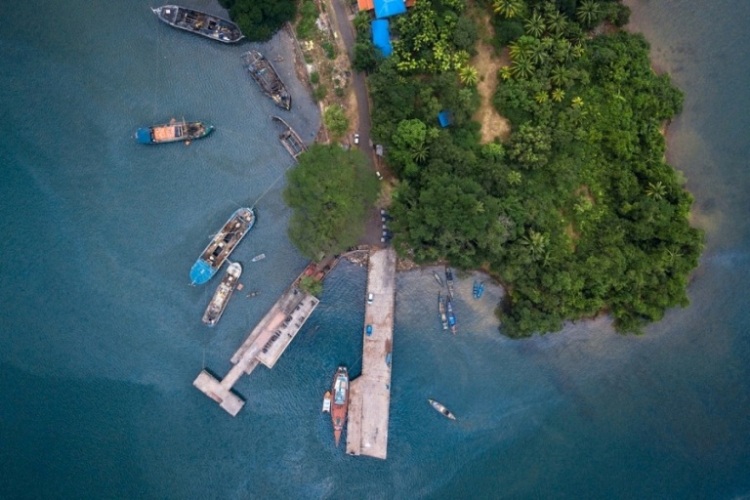
Consent at the Centre of Dispute as Tribal Council Pushes Back on Great Nicobar Project
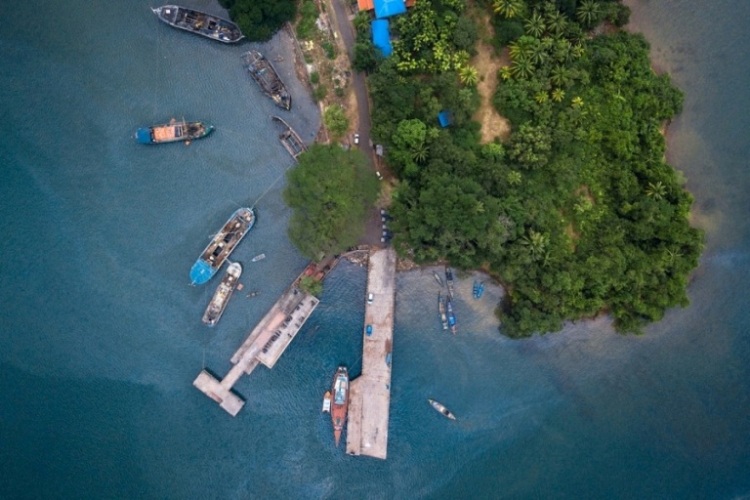
The proposed ₹72,000-crore Great Nicobar infrastructure project has triggered renewed concern after the Nicobar Tribal Council (NTC) stated that it is facing pressure to sign land surrender certificates for ancestral tribal lands. The development has intensified debates around consent, legality, environmental safeguards, and indigenous rights in one of India’s most ecologically sensitive island regions.
According to accounts shared by tribal representatives, administrative authorities are pushing for documentation required to enable land diversion for the project, despite long-standing opposition from indigenous communities. Tribal leaders argue that the move undermines legally mandated processes of free, prior, and informed consent.
What the Great Nicobar Project Involves
The Great Nicobar Project is a large-scale infrastructure plan anchored by a proposed transshipment port at Galathea Bay, along with an international airport, a township, and power infrastructure. The project has been positioned as a strategic investment to strengthen India’s maritime trade capabilities and geopolitical presence in the eastern Indian Ocean.
Great Nicobar Island, located nearly 1,200 kilometres from mainland India, is the southernmost island of the Andaman and Nicobar archipelago. It is also home to dense tropical rainforests and indigenous communities whose land and livelihoods are protected under special constitutional and statutory provisions.
Allegations of Pressure and Consent Concerns
Members of the Nicobar Tribal Council have stated that they are being asked to sign surrender certificates for tribal land—a statutory prerequisite for forest and land diversion. The council maintains that no collective resolution has been passed agreeing to surrender community land and that such requests amount to coercion rather than voluntary consent.
Tribal representatives have emphasised that they have opposed the project since 2022, citing threats to cultural survival, ecological integrity, and traditional livelihoods. They argue that procedural compliance on paper cannot substitute genuine community participation.
Legal Safeguards Governing Tribal Land
Great Nicobar falls under the Andaman and Nicobar Islands (Protection of Aboriginal Tribes) Regulation, 1956, which restricts the transfer of tribal land and regulates access by non-tribal entities. In addition, India’s forest and environmental laws require community consent before diversion of forest land, particularly in tribal and ecologically sensitive areas.
While environmental clearance for the project was granted in 2022, critics argue that the approval process did not adequately address ground-level opposition or the cumulative ecological impact. Civil society groups have repeatedly flagged the project as a potential precedent for weakening safeguards meant to protect tribal rights.
Ecological Sensitivity and Disaster Risk
Environmental assessments and independent studies point out that the project footprint overlaps with pristine rainforest ecosystems and coastal habitats, including important nesting grounds for marine species. Large-scale deforestation, dredging, and construction are expected to significantly alter the island’s ecological balance.
Concerns are further heightened by the island’s vulnerability to natural disasters. Parts of Great Nicobar were among the worst affected during the 2004 Indian Ocean tsunami, which caused extensive loss of life and reshaped coastlines. Experts warn that major coastal infrastructure could increase exposure to future seismic and climate-related risks.
Sustained Community Opposition Since 2022
Opposition from indigenous communities has been consistent over the past few years. Tribal leaders have submitted formal objections, boycotted consultations, and communicated their refusal to surrender ancestral lands. For many residents, land is inseparable from identity, subsistence, and cultural continuity.
Community representatives argue that development imposed without consent threatens not only physical displacement but also long-term erosion of social and cultural systems that have sustained island life for generations.
Administrative Response and Transparency Gaps
While authorities have maintained that all statutory procedures are being followed, detailed responses to specific allegations of pressure and coercion remain limited. The lack of transparent communication has deepened mistrust among tribal communities and observers, particularly as preparatory steps linked to the project continue.
Calls have grown for clearer disclosure of consent processes, land acquisition plans, and risk mitigation measures before any irreversible actions are taken.
A Broader Test for Development and Indigenous Rights
The unfolding situation in Great Nicobar has become a critical test of India’s approach to development in ecologically fragile and tribal regions. The standoff highlights the tension between strategic infrastructure ambitions and the protection of indigenous rights guaranteed under law.
As tribal councils continue to resist signing land surrender certificates, the project’s future remains uncertain. The outcome is likely to influence how large-scale projects are planned and implemented in sensitive regions across the country, underscoring the need for transparent dialogue, legal accountability, and respect for community consent.